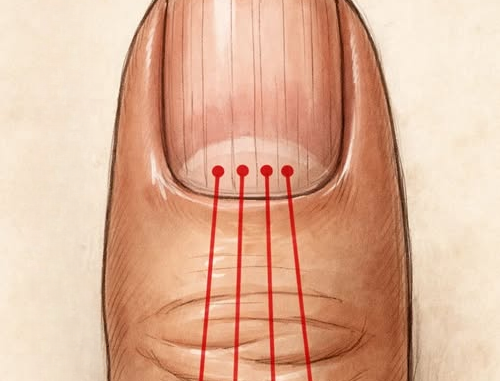
Your fingernails can serve as a subtle indicator of your overall health. While faint vertical ridges are a natural part of aging, deeper lines or frequent breakage may signal that your diet or nutrition needs attention. Nails are made of keratin, a protein that relies on consistent nutrient intake to remain strong and flexible. Insufficient protein can cause nails to weaken, become soft, or split easily. To support nail strength, include protein-rich foods like eggs, fish, poultry, dairy, beans, lentils, and tofu throughout your day.
Vitamins and minerals are equally important for nail health. Biotin (vitamin B7) can improve thickness and durability and is found in eggs, nuts, leafy greens, sweet potatoes, and fatty fish. Iron is crucial, too—low levels can lead to thinning or ridged nails. Lean meats, legumes, seeds, and dark greens provide iron, and pairing plant-based sources with vitamin C-rich foods like citrus or bell peppers enhances absorption.
Zinc supports cell renewal and repair, keeping nails smooth. Since the body doesn’t store zinc well, regular intake through seafood, meat, seeds, nuts, and whole grains is key. Hydration also matters: omega-3 fatty acids from salmon, sardines, chia seeds, and walnuts help maintain moisture in the nail bed, while drinking water and eating hydrating foods like cucumbers and watermelon support overall nail and skin health.
Building stronger nails takes time and consistent care. With a balanced diet and proper hydration, nails can gradually become smoother and more resilient. However, be alert for unusual signs such as deep horizontal ridges, persistent discoloration, dark streaks, or discomfort around the nails, which may indicate underlying health issues. By responding to these signals and nourishing your body thoughtfully, you can promote healthy nails that reflect your overall well-being.