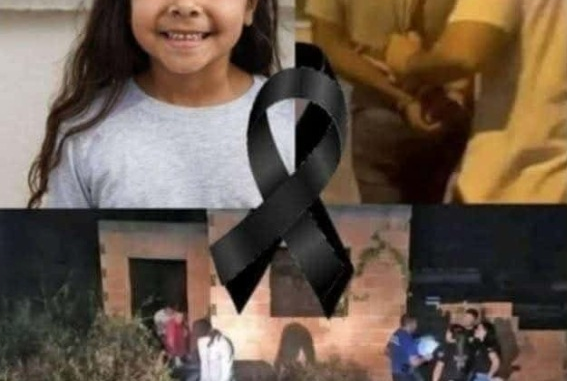
What began as a normal afternoon quickly turned into a nightmare that gripped a community and captured national attention. Perla Alison, a cheerful young girl, stepped out of her home to buy candy—a simple errand she had likely done countless times before. There was nothing to suggest it would be the last time her family would see her alive.
Minutes after she left, worry began to set in. Hours passed, and she had not returned. Initially, her family hoped she had simply lingered or been delayed, but as time went on, that hope turned to fear. They searched the neighborhood, calling her name, retracing her steps, and asking neighbors for help. It quickly became clear that something was wrong.
Authorities were alerted, and the situation escalated into a full-scale search. A nationwide Amber Alert was issued, spreading her image and details of her disappearance across television, social media, and messaging networks. Communities far beyond her neighborhood joined the search, offering tips and volunteering to comb streets, parks, and abandoned areas. Every lead was followed, every possibility investigated.
Days passed, and hope gradually gave way to dread. Then came the discovery. A resident near an abandoned building noticed a foul odor and alerted authorities. Officers responded to the site near the Constitución de 1917 metro station, an area close to where Perla was last seen.
Forensic teams from the Mexico City Attorney General’s Office confirmed the worst fears: Perla Alison had been found dead. The news sent shockwaves through her neighborhood and across the nation. Initial reports indicated signs of violence, and the case was officially investigated as femicide. Autopsy results were ordered to determine the exact cause of death, with early indications suggesting possible prior abuse.
The reaction from the public was immediate. Social media, which had been a tool in the search for her, became a platform for grief, outrage, and calls for justice. Feminist groups and civil organizations demanded accountability, not only for those directly responsible, but also for systemic changes to protect vulnerable individuals.
In her neighborhood, the loss was deeply personal. Residents struggled to reconcile the tragedy with everyday life. A simple trip for candy had ended in unimaginable violence. For her family, grief was overwhelming—the last interaction, a request to step outside, now replayed endlessly in memory.
Investigators continue to gather evidence and pursue leads, aiming to bring those responsible to justice. While justice cannot undo the loss, the case has sparked a broader conversation about safety, awareness, and responsibility.
Perla Alison’s story also illustrates the power of collective attention. Thousands followed her story, shared her image, and hoped for her safe return. When the tragic outcome became known, those same voices demanded answers and accountability, ensuring her story continues to be heard.
Ultimately, this tragedy is more than a headline. It is a stark reminder of how quickly ordinary moments can turn irreversible and how the responsibility to respond—to seek truth, demand justice, and protect others—extends beyond a single case. Perla Alison’s story will endure, remembered both for its tragic end and the impact it left behind.