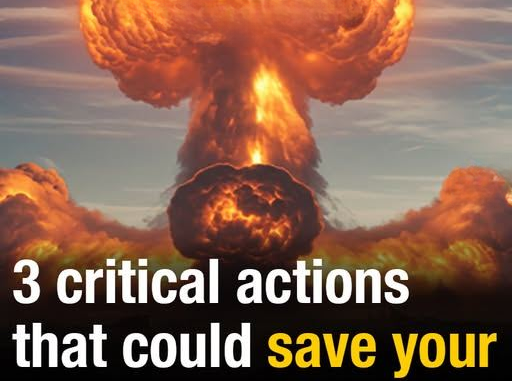
In rare but high-impact situations, staying clear-headed is far more important than panicking. While a nuclear event is extremely unlikely, knowing a few practical steps can significantly improve your safety. Preparation isn’t about fear—it’s about being ready to act quickly if necessary.
A nuclear explosion produces a blinding flash that can harm your eyes even from a distance. If you witness a sudden bright light, turn away immediately, shield your eyes, drop to the ground, and find cover. Be especially cautious around windows, as the shockwave can shatter glass.
After the flash, a shockwave may arrive within seconds. Seek solid protection from the outside—move into a sturdy building, head to a basement if possible, or stay in the center of a structure away from exterior walls and windows. Materials like concrete, brick, and earth provide the best protection.
Once inside, take steps to limit exposure. Remove outer clothing, wash any exposed skin if you can, and close windows, doors, and ventilation systems. Remain indoors for at least 24 hours or until authorities confirm it is safe. The first day after the event is the most critical for minimizing risk.
Reliable information is essential. Basic supplies such as water, non-perishable food, a flashlight, and a battery-powered radio can help you stay informed and calm while awaiting updates. Follow official guidance and avoid unverified sources.
Preparation is not about anticipating disaster, but about reducing uncertainty if the unexpected occurs. The most effective actions are often the simplest: act quickly, seek shelter, and remain in a safe location until instructed otherwise. Calm, informed decisions can help protect you and your loved ones in an emergency.