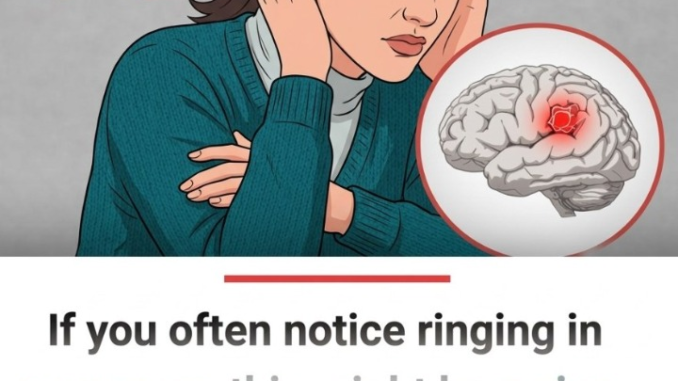
Ringing in the ears, or tinnitus, can be confusing and unsettling, especially when it appears suddenly without any clear cause. Many describe it as a ringing, buzzing, or humming that seems to come from inside the head, often becoming more noticeable in quiet moments. While it can feel alarming, tinnitus is not a disease itself—it’s a symptom that signals changes somewhere within the auditory system.
Tinnitus is often linked to gradual hearing changes. Age-related hearing loss, prolonged exposure to loud noises, or sudden intense sounds can all trigger it. Earwax buildup or infections may also disrupt normal hearing and cause ringing. Certain medications, particularly in high doses, can contribute, and factors like stress, fatigue, or poor sleep can make the symptoms more pronounced.
Despite being common, tinnitus is frequently misunderstood. Misinformation online can make it seem like a warning of serious illness, causing unnecessary anxiety. In truth, most cases are harmless and manageable once the underlying cause is identified, helping people approach it with less fear.
However, there are instances when tinnitus warrants medical attention. Persistent ringing, especially in just one ear, should be checked. Additional symptoms such as hearing loss, dizziness, or balance problems may indicate a more specific ear condition. Pulsatile tinnitus—where the sound follows a heartbeat rhythm—can be related to circulation issues and also needs evaluation.
Tinnitus doesn’t always originate purely in the ear—it can involve the brain’s interpretation of sound. When auditory input decreases, the brain may “fill in” missing signals, producing phantom noises. This is why stress, attention, and focus can influence how loud or intrusive the ringing feels.
Managing tinnitus often relies on practical strategies rather than a single cure. Protecting hearing, reducing stress, and improving sleep can all help. Many people find relief by using soft background noise to mask the ringing in quiet environments.
With proper understanding and healthy habits, tinnitus can become far less disruptive, allowing individuals to live comfortably even if the sound never fully disappears.