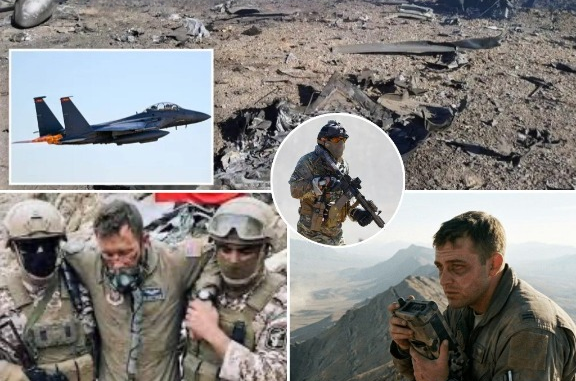
The harrowing ordeal began the moment the crash left him stranded in enemy territory, injured and disoriented. Surrounded by hostile forces, he made the split-second decision to climb the mountain above rather than risk capture below, pushing through pain to find a narrow rock crevice for concealment.
Once hidden, he remained completely still, listening as enemy footsteps and voices echoed nearby. Battling freezing temperatures and his injuries, he stayed alert, controlling his breathing and keeping his weapon ready only as a last resort.
The tense wait stretched into thirty-six hours, testing both body and mind. Every sound felt threatening, and staying awake became a battle in itself. He focused on small, steady actions to maintain clarity and composure under extreme stress.
Eventually, he activated an emergency beacon, signaling U.S. forces. Initial caution from command led him to send a short coded message to confirm his identity and avoid falling into a potential trap.
Meanwhile, U.S. intelligence launched a deception campaign, feeding false information that he had already been captured. This misled enemy search teams and reduced immediate danger, clearing the way for a rescue operation.
U.S. forces mobilized, with aircraft establishing a protective perimeter while special operations teams approached his location. The sound of approaching helicopters marked the end of his grueling ordeal.
He emerged from hiding exhausted but alive, finally in safe hands. Medical care followed, and his quick thinking under pressure—especially the coded message—was hailed as a decisive factor in guiding rescuers to him and ensuring his survival.