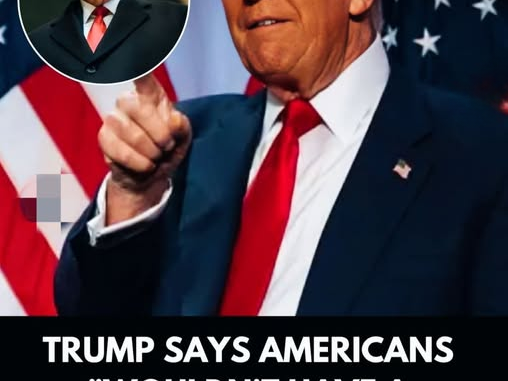
Former U.S. President Donald Trump has once again ignited widespread discussion after claiming that Americans “wouldn’t have a country” if he had not been elected, a statement that quickly drew both praise and criticism across the political spectrum.
The remark underscores Trump’s ongoing portrayal of his presidency as a pivotal period for the United States, particularly regarding issues like border security, economic policy, and national sovereignty. Supporters contend that his leadership enhanced the country’s global standing and strengthened internal stability during a period of major challenges.
Critics, however, argue that the statement is overstated and politically motivated, viewing it as part of a broader strategy to rally his base ahead of future political contests. Analysts note that such rhetoric is common in contemporary politics, especially in a highly polarized environment where bold messaging can mobilize supporters and dominate public discourse.
The reaction highlights the deep polarization in U.S. politics, with sharply divided views on leadership and the nation’s direction. Comments like these often become focal points for broader debates about governance, national priorities, and the influence of political figures on public conversation.
As the political climate continues to shift, observers anticipate that similar high-impact statements will remain a prominent feature of public discussion, particularly as attention increasingly turns toward upcoming elections.