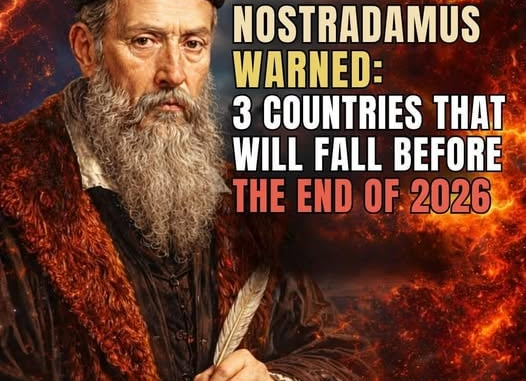
The lasting interest in Nostradamus is not rooted in precise predictions, but in how his language seems flexible enough to fit different eras. His symbolic and often ambiguous imagery—featuring animals, shifting power dynamics, and uncertain outcomes—continues to attract attention because it can be interpreted in many ways. Phrases like a “weakened eagle,” a “trapped bear,” or a “declining lion” gain meaning depending on the historical moment in which they are read, especially during periods of global instability.
What makes these interpretations compelling is less their accuracy and more their sense of recognition. Readers often connect them to contemporary issues such as political strain, economic challenges, or questions of national identity. Rather than acting as literal forecasts, these verses work more like reflective surfaces, amplifying concerns that already exist in society instead of predicting them.
History also shows that these patterns are not unique to any one era. Societies have always moved through cycles of strength, uncertainty, and change. Power structures shift, priorities evolve, and communities adapt in ways that are rarely straightforward or predictable. While prophetic language may seem dramatic, the themes it touches on—instability, transformation, and resilience—are enduring aspects of human history rather than fixed outcomes.
From this perspective, Nostradamus’s appeal comes more from reflection than foresight. His writings encourage interpretation but do not require belief. Instead of revealing a predetermined future, they highlight a broader truth: even in uncertain times, how people understand and respond to events remains open and continually shaped by choice.