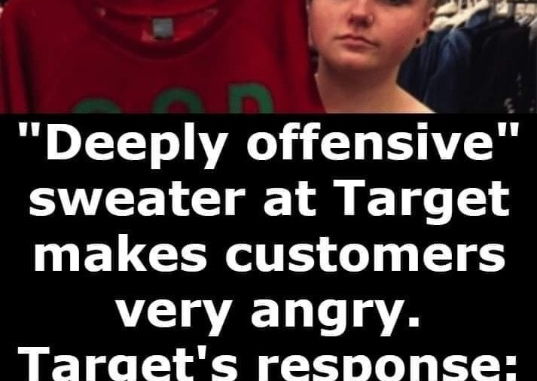
A routine shopping trip turned into a wider public debate after a holiday sweater drew attention for the message printed on its front. What could have been an ordinary seasonal item quickly became a conversation about design responsibility, mental health awareness, and how retailers choose the language used in everyday products. As consumers grow more sensitive to the meaning behind what they wear, one shopper’s concern gained traction beyond the store and reached Target itself.
The sweater included a phrase referencing obsessive-compulsive disorder, which shopper Reign Murphy felt could unintentionally make light of a serious condition. From her point of view, using a clinical term in a festive, humorous context risked reinforcing misunderstandings rather than promoting awareness. She raised the issue publicly, arguing that words on clothing can shape how conditions like OCD are perceived.
However, reactions were divided. Some people living with OCD said they were not personally offended and viewed the design as harmless or playful, suggesting it was not intended to be hurtful. In response to the mixed feedback, a Target spokesperson acknowledged the concerns, apologized for any discomfort caused, and stated there was no intention to offend, while confirming the product would still be sold.
The incident reflects a broader trend in retail, where slogans and themed clothing often spark debate about meaning and sensitivity. Similar discussions have emerged around apparel tied to identity or cultural themes, with interpretations varying widely based on personal experience. Ultimately, the situation highlights how language can carry different weight for different people, and how brands must balance creativity with awareness in a highly attentive public space.