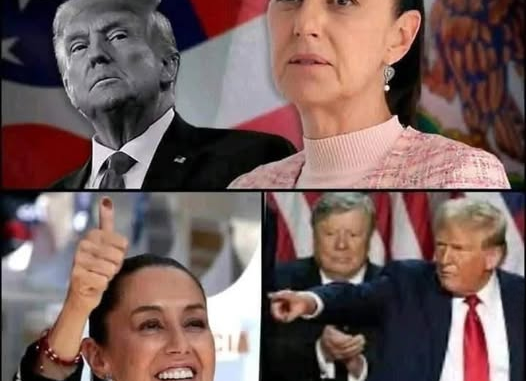
A significant shift in U.S. policy has heightened friction with Mexico after Donald Trump moved to label certain Mexican cartels as foreign terrorist organizations. This reclassification expands the legal toolkit available to U.S. authorities, enabling stronger financial sanctions, increased surveillance powers, and harsher penalties for those suspected of aiding such groups. What was once largely handled as a cross-border criminal issue is now being treated more like a matter of national security.
On the other side, Mexico’s president, Claudia Sheinbaum, has strongly resisted the move, stressing the importance of national sovereignty. Her government has made it clear that cooperation with the United States cannot come at the cost of control over Mexico’s own territory. Mexican officials have also pointed to the steady flow of illegal firearms from the U.S., arguing that responsibility for cartel-related violence is shared across borders.
The development has fueled broader debate over how aggressive enforcement strategies should be. Conversations about expanded surveillance and even the hypothetical use of drones have raised concerns about potential escalation. While some leaders argue the designation is necessary to combat organized crime, others caution that applying a terrorism framework could strain diplomatic relations and introduce new risks.
Despite these tensions, the two countries remain deeply interconnected through trade, migration, and security cooperation, making a direct conflict unlikely, though not entirely out of the question. The central challenge is finding a balance—addressing organized crime effectively without undermining a relationship that is vital to both nations.