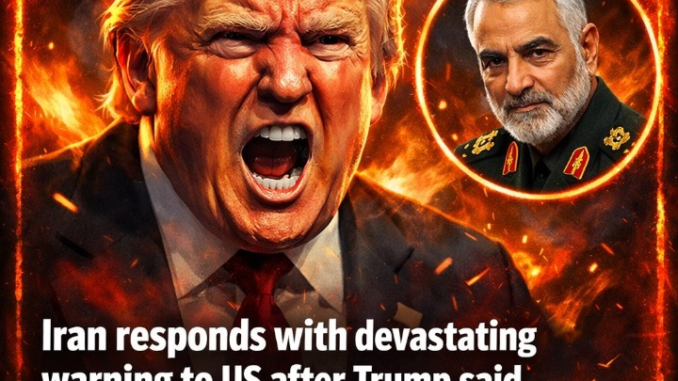
Recent statements linked to Donald Trump, along with reactions from Iran, have captured attention due to their strong tone. However, it’s important to distinguish between rhetoric and confirmed developments. In geopolitical contexts, forceful language often reflects strategic positioning rather than signaling immediate action. While regional tensions can impact markets, energy flows, and diplomacy, not every remark points to an imminent escalation.
The Strait of Hormuz is frequently highlighted during such periods because of its critical role in global oil transportation. Even speculation about disruptions there can influence oil prices and investor sentiment. Still, these situations are highly complex, involving multiple stakeholders, established protocols, and serious international implications—making sudden, large-scale shifts less likely than headlines might imply.
Officials in Iran have also responded with firm messaging, consistent with a broader pattern of assertive public statements during times of tension. These responses often serve strategic goals, projecting strength to both domestic and global audiences. At the same time, diplomatic efforts—both public and behind the scenes—tend to continue, even when official rhetoric appears uncompromising.
For those following the situation, maintaining perspective is essential. In rapidly evolving scenarios, early reports and dramatic language can outpace verified facts. Focusing on confirmed information, rather than reacting to isolated statements, allows for a more accurate understanding of events. Situations like this underscore not only the complexity of global politics but also the importance of careful interpretation in an age where words can spread faster than verified realities.