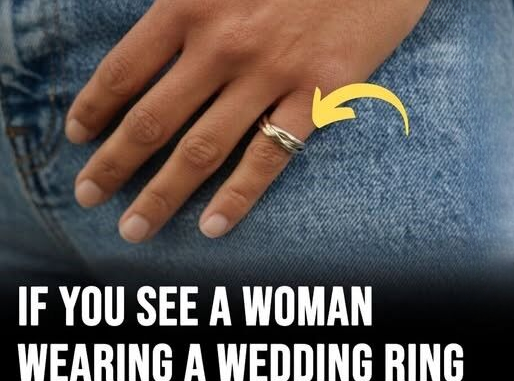
For generations, rings have conveyed meaning without words, signaling commitment, social standing, and belonging. Traditionally, that meaning has focused on the ring finger, most often associated with marriage and romantic bonds. In that context, women choosing to wear rings on their pinky fingers marks a quiet but significant change. What may seem like a simple fashion decision can reflect a deeper statement about identity, fulfillment, and defining oneself beyond relationship status.
Unlike engagement or wedding rings, a pinky ring stands apart from those traditions. Its placement suggests a growing shift away from the belief that a woman’s value must be affirmed through partnership. Instead of symbolizing union with someone else, it often represents self-acknowledgment—the idea that completeness and purpose can come from within.
Historically linked to communication, intuition, and individuality, the pinky finger offers a space largely untouched by strict cultural expectations. For many women, wearing a ring there marks an important personal moment: moving on from a relationship, overcoming challenges, gaining independence, or experiencing emotional growth. These milestones may not always be publicly celebrated, but they carry deep personal meaning.
On a psychological level, a pinky ring can serve as a quiet reminder. Rings symbolize commitment, and when that commitment is directed toward oneself, it can reinforce boundaries, self-respect, and intentional choices. Many see it as a symbol of promises they’ve made to themselves—ones shaped by personal values rather than external pressure.
Fashion history adds further depth. Once linked to power or subtle rebellion, the pinky ring is being reinterpreted by women as a sign of self-ownership. Its designs range from simple to bold to sentimental, reflecting the individuality behind each choice.
In the end, the pinky ring mirrors a broader cultural evolution. It doesn’t reject love or tradition, but it questions the idea that they must define identity. Small and understated, it represents independence, growth, and the freedom to shape one’s own story.