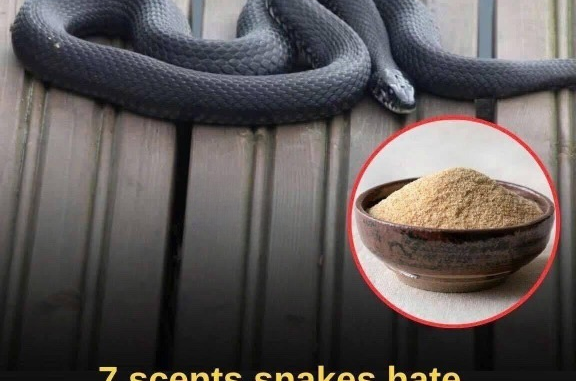
Do strong smells really deter snakes? What actually works—and what doesn’t last.
It is true that snakes use chemical signals to navigate their surroundings, so intense odors can occasionally make an area less comfortable for them. Substances such as ammonia, vinegar, or strong essential oils like cinnamon or clove may briefly irritate their senses and encourage them to move away. However, these effects don’t last long. Weather conditions like wind and rain quickly weaken the smell, making them unreliable as a long-term solution.
Some plants and natural substances—such as garlic, onions, lemongrass, marigolds, or citronella—are also commonly believed to repel snakes. In practice, their influence is usually indirect. They may help alter scent trails or reduce insects and rodents that attract snakes in the first place, but they do not form a true barrier. At best, they may temporarily make an area less appealing.
If using strong-smelling substances, safety is important. Chemicals like ammonia should only be used outdoors and never in enclosed spaces due to harmful fumes. Essential oils should be diluted and applied carefully near entry points, avoiding soil or water contamination.
Ultimately, physical prevention is far more effective than relying on scents. Keeping grass trimmed, sealing openings in buildings, clearing debris piles, removing standing water, and controlling rodent populations all help make an area less attractive to snakes. Combined, these measures create a much stronger and longer-lasting form of protection than any odor alone.