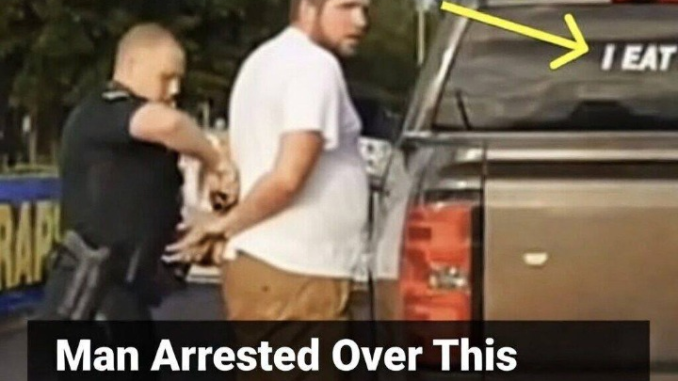
A routine traffic stop in Lake City escalated into a widely debated free speech issue after Dillon Shane Webb was arrested for refusing to remove a bumper sticker that a deputy reportedly found offensive. According to reports, Webb did not resist or provoke further conflict, yet his refusal alone resulted in handcuffing, a search of his vehicle, and formal charges that were later dropped.
The incident quickly sparked broader discussion about how free expression is protected and enforced in practice. While the First Amendment safeguards speech, even when it is unpopular or offensive to others, the case raised concerns about how those protections can become complicated during real-world law enforcement decisions. The fact that the charges were dismissed shortly afterward further intensified public debate.
Webb’s subsequent legal challenge drew additional attention to the matter, encouraging conversations about the boundary between personal expression and perceived wrongdoing. For many observers, the situation highlighted worries that constitutional rights can feel inconsistently applied, particularly in interactions with authority figures.
Ultimately, the case came to represent more than just a disagreement over a sticker. It evolved into a broader reflection on free speech itself, serving as a reminder that rights are shaped not only by written law, but also by how they are interpreted and enforced in everyday situations.