When a child goes missing, it shakes families and communities alike. In neighborhoods like Santa Martha Acatitla, where children often run small errands nearby, a disappearance is not just a personal tragedy—it raises public concern.
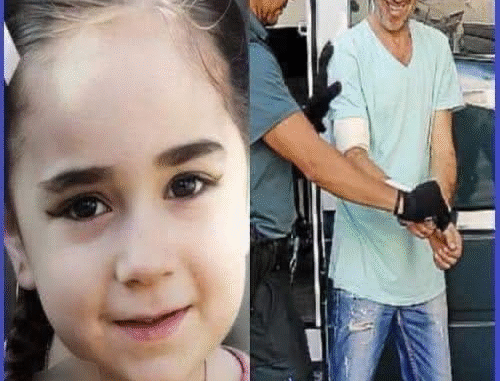
Perla Alison, a young girl from the area, vanished while on a routine trip to buy candy. Initially, her family assumed a delay, but hours of no contact turned alarm into action. Authorities were alerted, and the community mobilized, posting notices, organizing local searches, and offering emotional support. Schools, religious groups, and neighbors joined in, showing the critical role of community networks in responding to such emergencies.
Days later, a neighbor near the Constitución de 1917 metro station reported a strong odor from an abandoned building. Authorities discovered human remains, later identified as Perla’s, and the investigation moved under femicide protocols. This shift—from missing child to a criminal investigation—sparked grief and urgent questions about public safety, institutional response, and societal conditions that leave children vulnerable.
News of her death reached national attention, fueling public outrage and calls for justice. Feminist groups, civil organizations, and concerned citizens highlighted the broader issues of child safety, gender-based violence, and femicide. Demonstrations, social media campaigns, and public discourse emphasized that protecting children is a societal responsibility, requiring the coordinated efforts of families, communities, and authorities.
Perla’s case underscores the ongoing challenge of gender-based violence and the importance of preventive measures, education, and policy initiatives, reminding society of the urgent need to safeguard vulnerable children without sensationalizing tragedy.