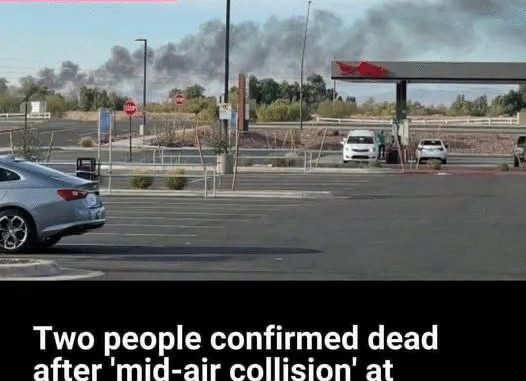
A quiet morning in Marana, Arizona, turned tragic when two small aircraft—a Cessna 172S and a Lancair 360 MK II—collided in mid-air shortly after 8:30 a.m. Two lives were lost in the crash, while the occupants of the other plane survived uninjured. The incident prompted a swift response from local emergency crews, airport staff, and investigators.
The Cessna 172S, a common training and recreational aircraft, and the high-performance Lancair 360 MK II, typically flown by experienced pilots, intersected on flight paths above the airport. One plane made an emergency landing; the other crashed near a runway and caught fire. First responders contained the blaze and assisted survivors, but the violent impact left no chance for the two fatalities.
Marana Regional is a non-towered airport, meaning pilots communicate directly over radio to coordinate takeoffs and landings. While most operations proceed safely, collisions—though rare—highlight the importance of communication, awareness, and strict adherence to flight patterns. The FAA’s tower program has identified Marana as a potential candidate for enhanced air traffic infrastructure, a discussion likely to gain momentum following this crash.
The NTSB is investigating, examining communications, flight paths, weather, aircraft condition, and pilot experience. Survivors face emotional trauma, and the local community has rallied around families and first responders. The tragedy underscores the fragility of aviation and the shared responsibility of pilots, airport authorities, and regulators to maintain safety.
While investigations and safety improvements will continue, the human impact is central: two lives lost, others affected, and a community reminded of both the promise and peril of flight. Marana, and the wider aviation community, are left to honor the lives lost while learning from the tragedy.