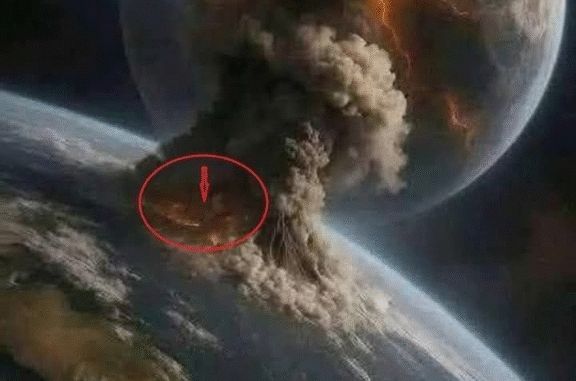
Rumors always spread faster than facts, and the internet has made them explosive. On November 27th, a fringe website published a vague headline claiming the Earth would face a “global-level event,” sparking widespread panic online. The post was unclear, unverified, and full of ambiguity, but that didn’t stop social media from exploding with speculation — from solar flares to magnetic shifts to secret government experiments.
Within hours, conspiracy theories and doomsday predictions circulated widely. Fear amplified itself: people called hotlines, stocked up on supplies, and treated the rumor as real evidence. The website doubled down with cryptic follow-ups, while scientists and experts tried to calm the public, often being dismissed as part of a cover-up.
The event never happened. November 27th came and went normally — planes flew, work continued, and life went on. The real issue wasn’t a cosmic catastrophe, but how quickly misinformation spreads, thrives on ambiguity, and manipulates fear. Vague predictions succeed because they let people fit them to any anxiety they already carry, from politics to climate to personal uncertainty.
Psychologists warned afterward: the danger lies not in rumors themselves, but in the inability of people to discern credible information. Meanwhile, conspiracy sites continued publishing claims, keeping the cycle alive.
The lesson is clear: real scientific warnings come from credible sources, not sensational blogs. Fear spreads fast, but facts are slower. And in a world full of noise, critical thinking is the only defense against panic born from misinformation.