Simon Cowell’s journey from a directionless young man to one of the most influential figures in global entertainment is built on blunt honesty, ambition, and the ability to spot talent before anyone else. Long before he became a multimillionaire TV judge, he was a school dropout working mundane jobs at EMI, learning to evaluate artists—an instinct that would later define his career.
His early attempts at running record labels failed twice, forcing him to return home broke. Those setbacks, he later said, were oddly freeing—they pushed him to rebuild with clearer purpose. That led to S Records, where he helped launch groups like 5ive and Westlife and finally found stability.
Cowell’s career changed completely when he stepped into television with Pop Idol in 2001. His brutally honest judging style made him the standout figure of the show, and American Idol turned him into an international sensation. He went on to create The X Factor and Britain’s Got Talent, building a global entertainment empire worth hundreds of millions.
Along the way, he transformed his appearance through cosmetic procedures, later admitting he had gone too far—something his son, Eric, unintentionally pointed out. After that, Cowell scaled back and focused on simple skincare instead.
His health issues also reshaped him. A fainting episode in 2017 and a serious e-bike accident in 2020 reminded him he wasn’t invincible, prompting him to rebuild his strength and mobility.
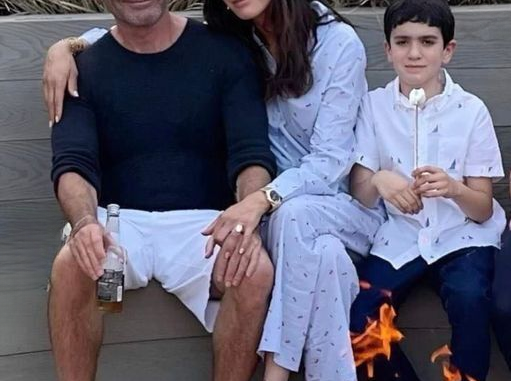
But nothing changed him more than becoming a father in his fifties. Eric’s birth shifted Cowell’s priorities in a way fame never had. He calls his son the best thing that ever happened to him, yet he remains firm about not passing down his entire fortune. Cowell plans to donate most of his wealth to charity, believing that inheriting money can limit ambition.
He has backed those values with action, donating heavily during the pandemic to support families in need.
Today, Cowell is a mix of the tough talent scout, the savvy producer, the man who came back from injury, and the dad trying to raise his son without overwhelming him with privilege. His story resonates because it’s one of reinvention—failing, rebuilding, and shifting focus as life changes.
He’s still shaping the entertainment world, but fatherhood has grounded him. And choosing purpose over indulgence for his son may end up being the most defining part of his legacy.