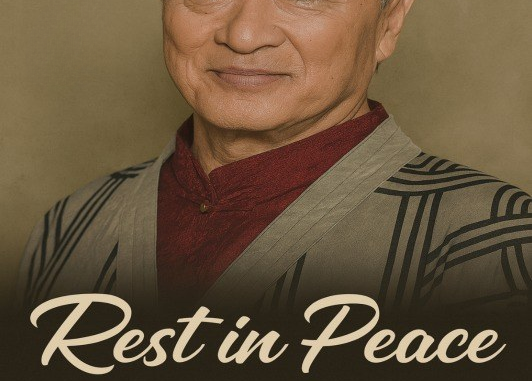
Cary-Hiroyuki Tagawa spent his career redefining what it meant to play an on-screen villain. He didn’t rely on theatrics or over-the-top menace. Instead, he used precision — controlled movement, subtle expression, and an intensity that could shift the entire mood of a scene the moment he stepped into frame. His characters weren’t cartoonish villains; they were layered, purposeful, and unforgettable.
What made him special was his restraint. Tagawa could convey power with a glance, dignity with a breath, and danger with the smallest shift of posture. He understood that a villain is most compelling when he truly believes in what he is doing, and he brought that conviction to every role. Directors trusted him with parts that required quiet authority, and audiences admired the depth he gave even the darkest characters.
Off screen, he was nothing like the intimidating figures he played. Colleagues remembered him as gentle, thoughtful, and dedicated to his craft. He avoided the spotlight, preferring discipline, study, and genuine connection over fame. His calm presence came from a lifetime of martial arts training, which shaped his movements and mindset. For him, martial arts were philosophy, storytelling, and emotional control — tools that enriched every performance.
His filmography spanned decades and genres. Whether he was a warrior, a leader, a monk, or a mysterious foe, he elevated every project he joined. Even brief roles became memorable because of the precision and gravity he brought to the screen.
That is why fans around the world were shocked by the news of his passing at 75, following complications from a stroke. Tributes poured in — from viewers who grew up both fearing and admiring his characters, and from actors who spoke of his generosity, discipline, and quiet mentorship. He influenced not only cinema but also martial artists and young performers who learned from watching him.
Tagawa’s legacy is simple but enormous: he changed the way villains are portrayed. He added humanity to roles meant to be one-dimensional, grace to violence, and complexity to antagonists who might otherwise have been forgettable. He proved that calm power can be far more compelling than loud aggression.
He leaves behind three children and two grandchildren, along with a body of work that will continue to inspire for generations. Though he often played the villain, he brought more heart to the screen than most heroes ever do.