On a quiet Sunday morning, Tom made a decision that would shift the balance of his entire family. Torn between loyalty, love, and the quiet strain creeping through his home, he faced a choice about what it truly means to care—and who deserves it most. Some ultimatums can fracture a household; others reveal who we really are.
It was a Sunday made for pancakes and forgiveness. The house smelled of tea and honey, the faint hum of church radio drifting from the neighbor’s kitchen. Ordinary. Forgettable. Or so it should have been.
Instead, it became the morning I broke my mother’s heart—and the morning my wife no longer recognized the man she married.
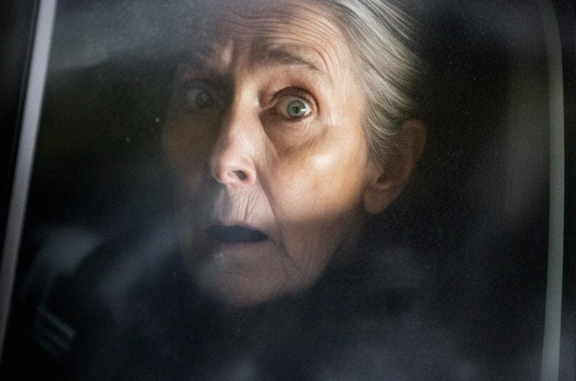
Mom, Edna, sat quietly in the passenger seat, her hands folded, wearing the frayed blue cardigan she always reached for when unsure. The heater was on, but she hadn’t removed it. She hadn’t spoken since we left. I glanced at her. She stared out the window, blinking slowly, like someone being wheeled into surgery.
Three months earlier, after a fall that shattered her hip, she’d come to live with us. Initially, I thought it would be temporary—six weeks until she healed. But healing doesn’t follow a timetable, and neither did my wife’s patience.
“She’s still using that walker?” Jenna had snapped one evening. “Mila deserves my attention, not someone who’s capable of doing things herself.”
I told myself I was keeping the peace, reminding myself Mom’s presence was temporary. But the tension mounted. Mom shrank a little more each day—whispering apologies, folding laundry repeatedly, adjusting the TV volume so low she needed subtitles. She made herself smaller, quieter, less visible.
Then the ultimatum came. One evening, Jenna slammed a mug in the kitchen and turned to me, her eyes glistening with frustration: “Either your mother moves out, or I do.”
I barely slept. By morning, I had packed Mom’s things. She moved quietly, lining up her medications along her suitcase as though preparing for inspection, trembling but refusing to meet my eyes.
“Why here?!” she finally demanded as I pulled into a quiet neighborhood.
“This isn’t a nursing home,” I reassured her, handing her the mailbox key. “It’s yours. I rented it for you.”
Her disbelief softened into tears. “I thought you were getting rid of me,” she whispered.
“I could never do that to you,” I said. “You deserve a home where you feel safe and wanted.”
I had packed my own bag that morning too—not much, just a laptop, a duffel, and Mila’s drawing taped to the fridge. I left a note for Jenna, stating clearly that I wasn’t choosing between my family and my mother—I was choosing basic human decency.
For the next few days, we settled into a gentle rhythm. Movies, soup, porch stories. I didn’t need Jenna there for Mom to feel cared for, and slowly, the house felt like home again.
When Jenna finally called, apologetic and tearful, I set conditions: counseling, honesty, respect for my mother. Only then did we begin reintegrating her into our lives.
Sometimes, choosing kindness isn’t about making everyone happy—it’s about doing what’s right.