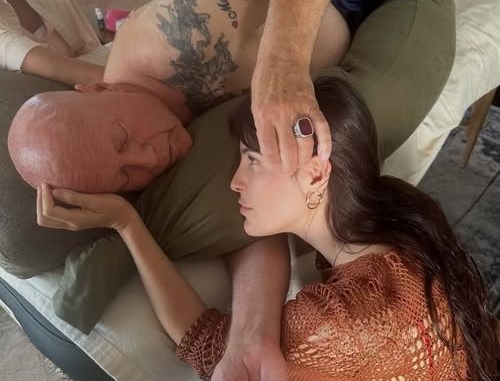
Bruce Willis, one of Hollywood’s most recognized actors, built a celebrated career spanning over four decades, leaving a lasting impact on audiences worldwide. In early 2023, his family revealed that he had been diagnosed with frontotemporal dementia (FTD), a progressive neurological disorder affecting behavior, language, and cognitive functions. This followed his 2022 announcement of retiring from acting due to aphasia, a language impairment later identified as a symptom of FTD.
FTD arises from nerve cell loss in the brain’s frontal and temporal lobes, which govern personality, decision-making, and communication. Unlike Alzheimer’s, which typically begins with memory loss, FTD often starts with behavioral changes and language difficulties, potentially progressing to motor and emotional impairments. Common symptoms include speech and comprehension difficulties, personality changes, social disconnection, and declining executive function.
Though there is no cure, early diagnosis allows for treatments that improve quality of life. These include speech and language therapy, occupational and physical therapy, medication for behavioral symptoms, psychological support, and caregiver resources. Multidisciplinary care can help maintain independence and manage the progression of symptoms.
The Willis family has publicly shared his condition to raise awareness. Emma Heming Willis, Bruce’s wife, advocates for dementia education and caregiver support, emphasizing understanding, empathy, and self-care for those caring for loved ones. Their daughters have highlighted the importance of cherishing meaningful moments and maintaining connection despite the challenges of the disease.
FTD differs from Alzheimer’s in onset, symptoms, and affected brain regions. Its primary forms include behavioral variant FTD, primary progressive aphasia, and FTD with movement disorders. Diagnosis usually requires neurological assessments, imaging, and behavioral evaluation. Research continues into potential therapies, including tau protein inhibitors, gene therapy, and neuroprotective strategies.
Bruce Willis’s openness about his health has increased public awareness of FTD, inspiring discussions on early symptom recognition, caregiving challenges, and the importance of compassion. His family emphasizes enjoying present moments, supporting patients emotionally, and maintaining dignity despite disease progression.
Willis’s professional legacy spans iconic film roles, but his public handling of his diagnosis demonstrates resilience and serves as an educational model for patients, families, and caregivers. Individuals can support dementia awareness through education, volunteering, donations, and advocacy, helping improve understanding, care, and research for FTD.
This overview is intended for educational purposes and does not replace professional medical advice. Consult healthcare providers for personalized guidance.