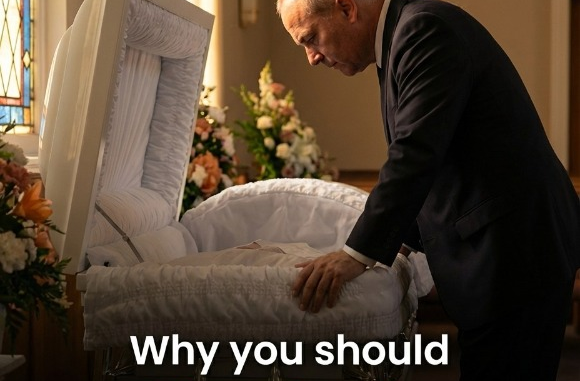
After a death, time can feel suspended. Sounds soften, thoughts blur, and many people feel an instinctive need to remain close to the one who has passed. Touch—a held hand, a gentle kiss, a quiet moment of closeness—is a natural expression of love and the search for closure when words no longer suffice.
Alongside that emotional pull, there are practical realities that are often overlooked. After death, the body begins to change quickly as the immune system shuts down and bacteria naturally multiply. In the first hours, the risk to others is generally low, but close contact—especially involving the face or bodily fluids—can increase exposure, something families rarely consider in their grief.
If the person had an infectious illness, or once funeral preparation begins, additional factors may come into play. Preservation chemicals and medical conditions can pose mild health risks, particularly for sensitive individuals. Funeral and healthcare professionals are trained to guide families through these moments, helping balance emotional needs with safety.
Emotional impact matters just as much. While physical closeness can feel comforting, unexpected changes in the body can sometimes create lasting distress, especially for children. Many families find that gentle alternatives—holding a hand, smoothing hair, sitting nearby, or speaking softly—offer the same sense of connection without added concern.
Cultural, spiritual, and personal beliefs also shape how people say goodbye, and there is no single “right” way. What matters most is making informed, conscious choices rather than acting from pressure or fear of regret.
Ultimately, farewell is about respect, love, and care—for both the deceased and the living. Whether through touch or quiet presence, meaningful goodbyes are those that support healing long after the moment has passed.