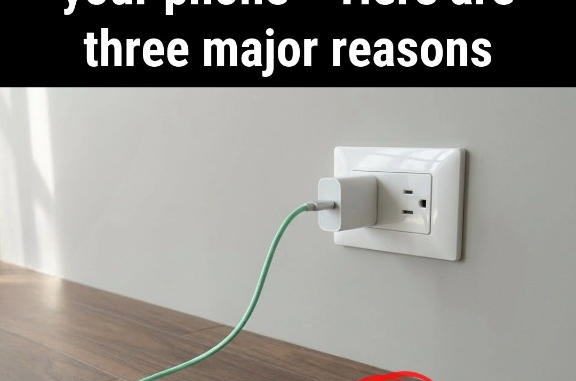
Modern homes are filled with unseen electrical activity, and one of the most overlooked contributors is the phone charger left plugged into the wall. It may seem harmless, but even without a phone attached, a charger continues to draw small amounts of power—a phenomenon known as “phantom” or “vampire” energy.
Individually, this energy use is tiny and barely noticeable on a utility bill. But when multiplied across millions of households worldwide, it adds up to significant wasted electricity and unnecessary carbon emissions. Power plants still have to generate that energy, even when it serves no purpose.
Leaving chargers plugged in can also shorten their lifespan. Even at rest, internal components produce heat, which slowly degrades parts like capacitors and wiring. Lower-quality or uncertified chargers are especially vulnerable, increasing the risk of malfunction over time.
While rare, safety is another concern. Aging chargers, loose outlets, frayed cables, or overloaded power strips can create conditions where overheating or electrical faults occur. Unplugging unused chargers removes one more potential risk from your home’s electrical system and reduces wear on wall outlets.
There’s also a mindset shift involved. Unplugging a charger is a small but intentional act that pushes back against the “always-on” culture of modern life. It turns an unconscious habit into a conscious choice to reduce waste.
For convenience, power strips with switches or smart plugs can make this habit effortless by cutting power to multiple devices at once.
Ultimately, unplugging a charger won’t change the world overnight—but sustainability and safety are built from small, consistent actions. A simple pull of the plug saves energy, protects your devices, and reminds us that even minor choices can make a meaningful difference.