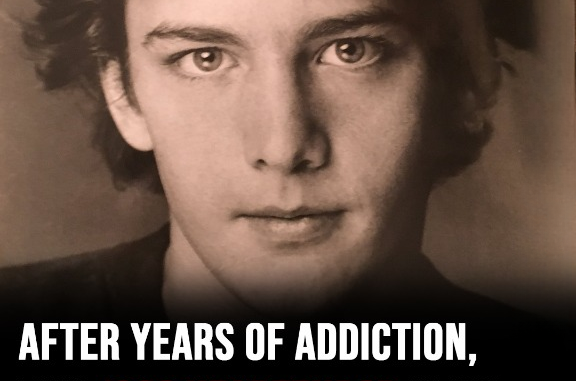
In the 1980s, Andrew McCarthy was more than a movie star—he was the quiet heart of a generation. Known for his sensitive screen presence in films like Pretty in Pink and St. Elmo’s Fire, he became an icon of understated vulnerability. But behind the fame, his real life was far more complicated than any role he played.
Raised in a middle-class New Jersey family, McCarthy grew up feeling like an outsider. Acting became a way to belong, but his early path wasn’t smooth. He was expelled from NYU after drifting academically, only to land a breakout role in Class weeks later. Almost overnight, he went from struggling student to rising star.
Fame came quickly—and uncomfortably. Labeled part of the Brat Pack, McCarthy never embraced celebrity culture. Introverted and anxious, he turned to alcohol to cope. While his performances earned praise, off screen he was unraveling. By his late 20s, addiction and burnout forced a reckoning, and at 29 he entered rehab, committing fully to sobriety.
That choice changed everything.
As Hollywood moved on, McCarthy quietly reinvented himself. He found purpose directing television and later discovered a powerful new voice as a writer. His reflective travel essays earned major recognition, including Travel Journalist of the Year, and allowed him to explore identity, recovery, and meaning far from the spotlight.
His personal life evolved alongside his career. He built a family, remarried, and settled into a quieter life centered on creativity, sobriety, and intention. Today, he lives and works largely outside Hollywood’s glare, directing, writing, and raising his children.
What makes McCarthy’s story endure isn’t his fame, but his refusal to be defined by it. In an industry that often consumes its stars, he chose growth over collapse—and wrote a second act more meaningful than his first.