On January 3, 2026, U.S. forces launched a nighttime raid in Caracas, Venezuela, capturing President Nicolás Maduro and his wife, Cilia Flores, and flying them to New York to face federal charges of narcoterrorism and drug trafficking. The operation, dubbed Operation Absolute Resolve, involved elite Army, Delta Force, Marine, Navy, Air Force, and intelligence units, killed dozens of combatants, and injured several U.S. soldiers. The White House justified the strike as part of its campaign against international crime, but critics argued it amounted to unauthorized military action.
The seizure immediately sparked a constitutional battle over war powers. Under the 1973 War Powers Resolution, presidents must notify Congress within 48 hours of deploying forces and end hostilities within 60 days without authorization. Democrats condemned the raid as reckless and illegal, some calling it “impeachable,” while Republicans were divided between praising decisive action and calling for congressional oversight.
President Trump defended the operation as lawful law enforcement, stating the U.S. would oversee Venezuela’s transition. U.S. seizure of Venezuela-linked oil tankers further fueled international criticism, with the UN, Russia, China, Cuba, and several Latin American nations condemning the action.
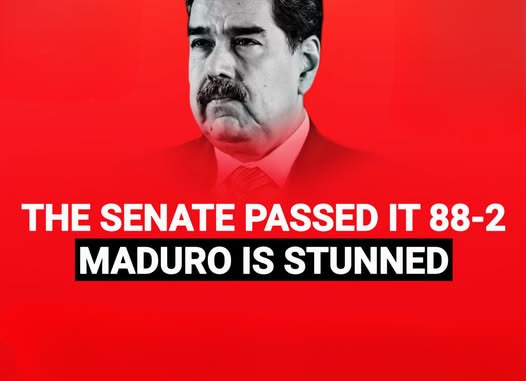
In Washington, a bipartisan push led by Senators Tim Kaine and Rand Paul sought to curb further U.S. military action in Venezuela without congressional approval. A pivotal Senate vote aimed to enforce the War Powers Resolution, though a presidential veto and a narrowly divided Congress made success uncertain. Public opinion was split, reflecting broader debates on executive authority, war powers, and the proper U.S. role abroad.
The operation has reignited long-standing questions about who controls American military force—Congress or the president—and the outcome of the vote may shape U.S. governance and military decision-making for years to come.