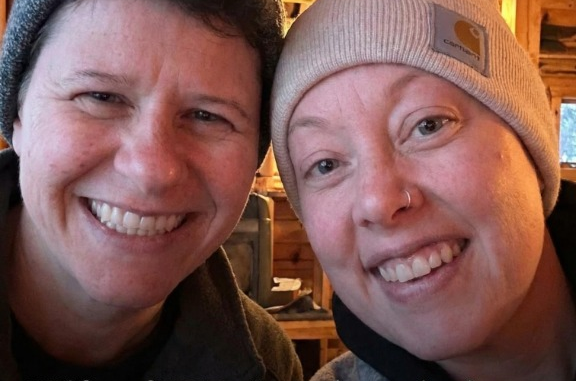
A fatal encounter in South Minneapolis has sparked national attention and deep community grief following the death of 37-year-old Renee Nicole Good during a federal immigration enforcement operation on January 7, 2026. In the days after the incident, Renee’s wife, Rebecca Good, spoke publicly for the first time, describing a moment rooted not in confrontation, but in compassion and solidarity.
According to Rebecca, the couple stopped their car simply to support neighbors who were frightened by the presence of federal agents in their residential area. Their actions, she emphasized, were peaceful. “We had whistles. They had guns,” she said, underscoring the imbalance she believes defined the encounter. Authorities, however, claim officers perceived an immediate threat, a justification now under scrutiny as video footage circulates and raises questions about the use of lethal force.
Rebecca has focused less on the investigation and more on who Renee was: a devoted mother, a woman of faith, and someone who believed deeply in protecting others through action. The couple had moved to Minnesota to build a safe, welcoming life for their six-year-old son, grounding their family in values of empathy, dignity, and community care.
In response, the Minneapolis community has rallied together, holding vigils and calling for transparency and accountability. Renee’s death has become part of a broader conversation about immigration enforcement, law enforcement tactics, and the right to peacefully observe and support one’s neighbors.
As investigations move forward, Renee’s family has asked for privacy, urging the public to remember her not as a headline, but as a loving wife and mother whose life was guided by compassion. For many, her legacy lives on in the growing calls for justice and the reminder that standing up for others—even quietly—can carry profound consequences.