Sylvie didn’t take in nine-year-old Alan to “fix” him—she needed companionship in a house that had grown too quiet after miscarriages and a failed marriage. Alan, a foster child labeled “selectively mute,” arrived with no words and a wary gaze, but Sylvie welcomed him with patience, cocoa, and quiet routines, offering a home without pressure to speak.
Over the years, Alan communicated through small gestures—notes, acts of care, and unspoken attentiveness. Sylvie never forced him; she let him set the pace, nurturing trust in silence. By the time he was a teenager, their bond was undeniable, and Sylvie asked if he wanted to be adopted. A nod was all it took to begin the legal process.
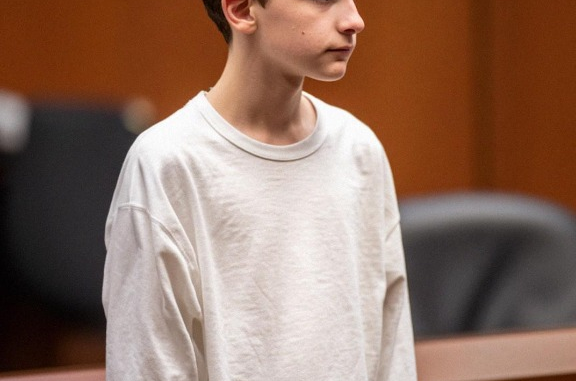
On the day of the final adoption hearing, Alan remained silent under the courtroom’s bright lights—until the judge asked the decisive question: did he want Sylvie to be his mother? For the first time in seven years, Alan spoke, recounting his past trauma and affirming his choice. “She never forced me to speak. She just stayed,” he said, acknowledging the love that had already shaped his life.
The adoption was finalized, and that night, Alan used his voice again, asking to read a book with Sylvie. Their story wasn’t about fixing a broken child—it was about two lives healing together, patiently, quietly, until words finally followed trust.