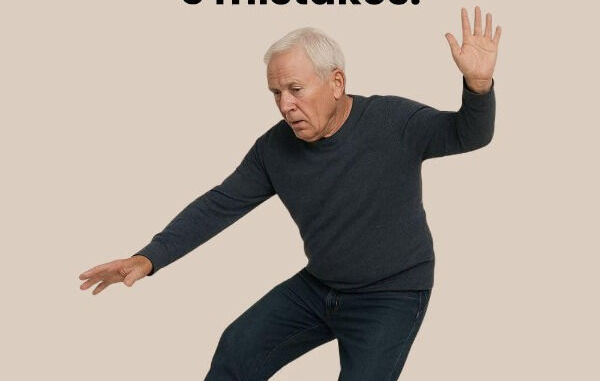
Balance problems in older adults often develop slowly, so they’re easy to dismiss as “just aging.” But many everyday habits quietly increase the risk of falls—and most can be corrected.
1. Too little movement weakens the body
Long periods of sitting or low activity weaken the muscles that keep us upright—legs, hips, core, and back. Gentle daily activity, like walks, stretching, tai chi, or yoga, strengthens muscles and improves coordination, without exhausting workouts.
2. Wearing the wrong shoes reduces stability
Loose, slippery, or unsupportive shoes make walking riskier. Sturdy, closed shoes with non-slip soles and good heel support improve balance indoors and out—comfort and style are still possible.
3. Poor nutrition and dehydration affect balance
Low hydration and inadequate nutrients can cause fatigue, dizziness, or weakness, which interfere with coordination. Drinking water regularly and eating a balanced diet with protein, fruits, vegetables, and whole grains supports strength and stability.
4. Home hazards can trip you up
Rugs, clutter, poor lighting, uneven floors, or tight furniture layouts all increase fall risk. Removing hazards, improving lighting, and adding grab bars—especially in bathrooms—makes moving around much safer.
5. Vision and hearing play a crucial role
Declining eyesight or hearing affects the brain’s ability to process movement and surroundings. Regular eye and hearing exams, plus proper glasses or hearing aids, help maintain spatial awareness and confidence.
Small, consistent changes can make a big difference. By strengthening muscles, improving footwear, staying hydrated, making your home safer, and supporting senses, older adults can maintain balance, confidence, and independence every day.