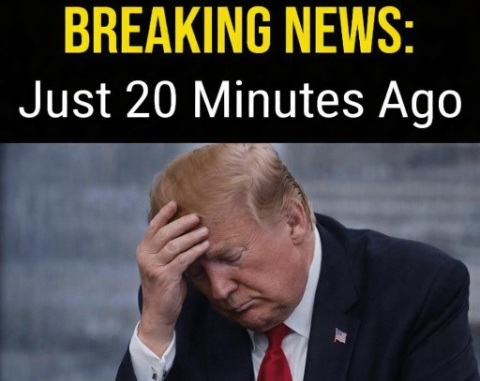
Washington is in upheaval following Dan Bongino’s appointment as Deputy Director of the FBI, a move by President Trump signaling a hard-line shift in the administration’s approach to the intelligence community. Bongino, a former Secret Service agent and outspoken media figure, had recently criticized Senator Adam Schiff for his role in what he calls the “Russia collusion hoax,” just days before the appointment.
Supporters hail Bongino as a necessary outsider to hold the FBI accountable, while critics warn his role politicizes the bureau. He has promised audits of past investigations, stricter protocols to reduce perceived bias, and accountability for officials involved in politically charged cases.
The timing is also contentious given Biden’s preemptive pardon of Schiff, sparking debate about executive power and legal limits. Bongino’s new authority positions him at the center of a potential clash between legal oversight and partisan politics, with career FBI officials and lawmakers bracing for a dramatic shake-up.
This appointment highlights the ongoing struggle over the FBI’s independence, turning long-standing controversies—from the Russia probe to the January 6th inquiry—into active business under the agency’s new leadership. Bongino vows transparency and accountability, but his tenure is likely to deepen political divisions while redefining the bureau’s role in Washington.