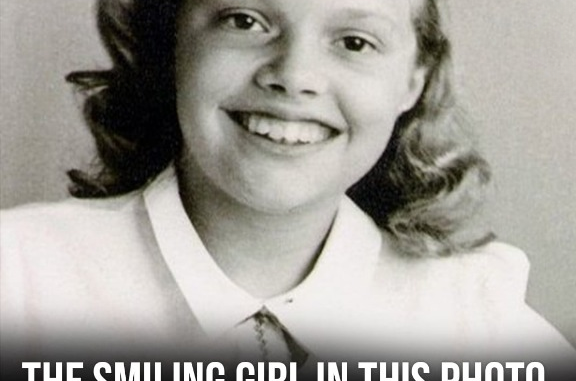
Aileen Wuornos seemed small, harmless, almost childlike—but behind that appearance was a life shaped by trauma and survival. In the courtroom, she was portrayed as a calculating killer, but she insisted her actions were self-defense against men who had repeatedly abused her.
Her childhood was chaotic: a father in prison, an absent mother, and abusive guardians. By her teens, she was surviving through sex work and living on the streets. Violence and fear followed her into adulthood, shaping a life where danger and survival were inseparable.
The legal system focused on the murders she committed—seven men dead—while the media sensationalized her as a “female serial killer,” emphasizing her appearance and defiance. Her mental state deteriorated under pressure, but her story of trauma and rage rarely made the headlines.
On death row, she lived quietly, isolated, insisting on her execution. Her final words reflected betrayal, despair, and defiance—not repentance.
Wuornos remains a troubling figure because her story challenges simple labels. She was responsible for horrific acts, yet her life was marked by neglect, abuse, and exploitation long before the murders. She is a stark reminder of the human cost of unchecked trauma: that survival, when pushed to the edge, can blur the line between victim and perpetrator.