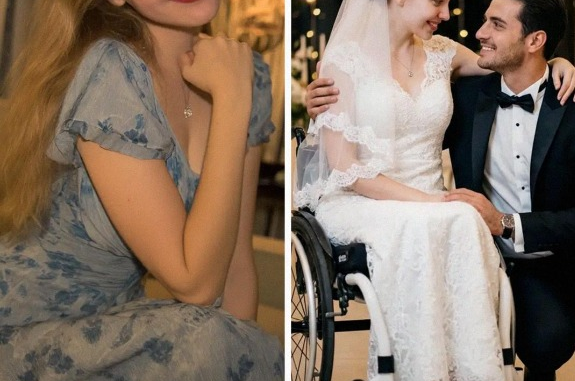
Five years ago, my life shattered in a car crash I barely remember. A drunk driver ran a light and hit me so hard that I lost my right leg. I survived only because a stranger named Ryan stopped, called an ambulance, and stayed with me until help arrived.
Recovery was brutal. I grieved my body, my independence, and the future I thought I’d have. Ryan kept coming back—day after day—through surgeries, rehab, and my darkest moments. He never pitied me or pushed me. He simply stayed. Over time, gratitude turned into love.
We married in a small, quiet ceremony built on the story we both believed: tragedy, rescue, love.
But on our wedding night, Ryan looked at me with fear in his eyes and said, “It’s time you know the truth.” Then he whispered, “I’m the reason you’re disabled.”
Days later, I followed him and discovered the truth: the drunk driver was his uncle—the man who raised him. Ryan hadn’t randomly found me; he’d rushed to the crash after his uncle called him in panic. He saved my life, but he also hid the truth for years, afraid I’d leave if I knew.
I was furious. Heartbroken. Betrayed. But I also saw the impossible position he’d been in—torn between loyalty and honesty.
I forgave his uncle for my own peace. And I told Ryan I could forgive him too—but only if there were no more secrets.
Our love didn’t end that night. It changed. It became real—no longer a fairy tale, but something harder, messier, and more honest.
Some truths don’t destroy love. They strip it down and force you to decide what’s worth rebuilding.