The city of Minneapolis, long strained by rising tension, has become the focal point of a nationwide debate after the fatal shooting of Alex Pretti on January 24, 2026. What began as a local tragedy has evolved into a broader confrontation over federal immigration enforcement and public accountability. As attention remains fixed on Nicollet Avenue, newly surfaced video from a key witness is challenging the official account of what happened that morning.
The city was already on edge. Earlier in January, the death of Renee Good—a U.S. citizen killed during a separate federal operation—sparked protests and the formation of organized community monitoring groups. Residents began documenting enforcement activity, treating each operation as potentially dangerous. It was in this climate of distrust and vigilance that Alex Pretti encountered federal agents.
Pretti, a 37-year-old intensive care nurse at the local VA hospital, was widely regarded as a dedicated healthcare professional committed to serving veterans. Witnesses say that during the enforcement action, he appeared to act as a calming presence rather than an aggressor. Video circulating online shows him holding up his phone to record events and attempting to direct bystanders away from a woman who had reportedly been pepper-sprayed.
Federal authorities quickly stated that agents had acted in self-defense, describing Pretti as a serious threat who was armed. A handgun was recovered at the scene and later confirmed by Minneapolis police to be legally owned and permitted. However, the central dispute concerns when and how the weapon became visible. Witness accounts and video analysis suggest the firearm remained in his waistband during the encounter and only became noticeable after he had been subdued.
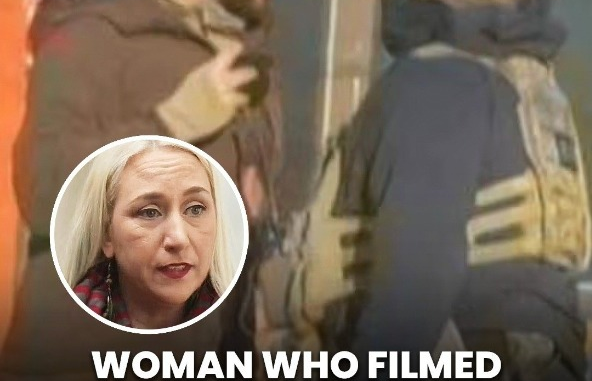
The most detailed footage was captured by Stella Carlson, a member of a community monitoring group who had been observing the operation. In a sworn statement, Carlson described a situation that differed sharply from official reports. She stated that Pretti appeared focused on de-escalation, documenting the scene and checking on others’ safety rather than confronting agents.
Carlson also alleged that force was used rapidly, escalating from verbal commands to physical restraint and gunfire within seconds. Additionally, she questioned the timeliness of medical aid after the shooting, claiming there was a delay before first aid was administered.
As the footage spread through media outlets and social platforms, public perception began to shift. The contrast between the government’s depiction of an armed aggressor and the images of a man holding a smartphone intensified scrutiny. In response to mounting unrest in the Twin Cities, President Donald Trump announced a limited withdrawal of certain federal personnel, while maintaining that agents believed they were facing a credible threat.
Pretti’s family has called for an independent investigation, disputing early official statements and emphasizing his background in healthcare and de-escalation. They argue that his character and professional record contradict the image presented in initial reports.
Civil liberties advocates say the case raises pressing constitutional concerns, particularly regarding the rights of citizens to document public law enforcement activity. They argue the situation underscores a broader issue of oversight when federal agents operate within local jurisdictions.
City leaders in Minneapolis have renewed calls for enhanced civilian oversight, including proposals to establish a body with subpoena power over federal agencies—a move likely to spark legal debate over jurisdictional authority.
As investigations continue, Carlson’s video remains central to the public conversation. Supporters argue that independent documentation plays a critical role in ensuring transparency, especially in moments of crisis. For many in Minneapolis, the case represents more than a single incident—it reflects deeper questions about enforcement practices, accountability, and public trust.
While legal proceedings move forward, community members continue to gather along Nicollet Avenue, where they say the story is not about confrontation, but about clarity. To those who knew him, Alex Pretti was not a threat but a man attempting to steady a volatile moment. What remains unresolved is whether the official findings will align with what witnesses say they saw—and whether lasting changes will follow.