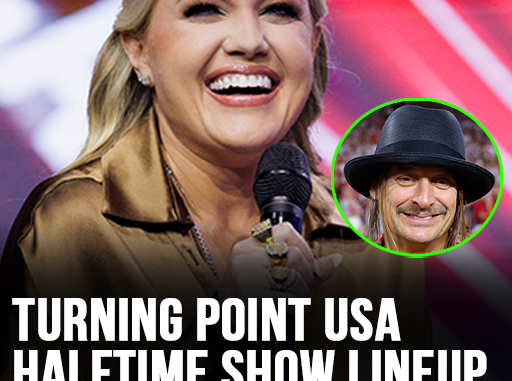
Super Bowl LX, set for February 8, 2026, is shaping up to be more than a football event—it has become a cultural flashpoint. The NFL has announced that global superstar Bad Bunny will headline the halftime show, but conservative nonprofit Turning Point USA (TPUSA) has responded by creating a rival “All-American Halftime Show,” highlighting the widening cultural and political divide in the U.S.
Bad Bunny, a Puerto Rican-born U.S. citizen, has achieved unprecedented success, including multiple 2026 Grammy wins, and has not shied away from political commentary. His Spanish-language performances and advocacy on immigration and social issues have drawn sharp criticism from right-wing figures, including former President Donald Trump, who called the NFL’s choice “crazy” and declared he would skip the game. Bad Bunny has embraced his role unapologetically, asserting that audiences have months to understand his lyrics if they don’t already.
Turning Point USA, under Erika Kirk’s leadership, unveiled its counter-show lineup designed to appeal to conservative audiences who feel sidelined by mainstream entertainment. Headliners include Kid Rock, Brantley Gilbert, Lee Brice, and Gabby Barrett. Kid Rock, a prominent Trump supporter, framed the event as a “David vs. Goliath” challenge to the NFL, aiming to offer an alternative for Americans who share TPUSA’s cultural vision. However, critics note an irony: many of the performers’ past work conflicts with the “family-friendly” values the nonprofit promotes.
Political figures like J.D. Vance have publicly praised the lineup, especially Kid Rock. Meanwhile, public reaction is divided. Social media users have mocked the alternative show’s relevance, questioned the logic of opposing a U.S. citizen like Bad Bunny, and highlighted generational differences in reception. Some have even described the TPUSA playlist as outdated compared to contemporary musical tastes.
The competing halftime shows represent more than entertainment—they symbolize a battle over the cultural meaning of the Super Bowl itself. Bad Bunny embodies the NFL’s push toward global, youth-oriented, and multicultural programming, reflecting the influence of Latino culture in America. TPUSA, by contrast, seeks to reclaim a sense of traditional American identity, presenting its event as a refuge for those who feel overlooked by mainstream media.
As February 8 nears, the two broadcasts will measure more than audience size—they will gauge cultural allegiances. While the NFL’s production will dominate in reach, TPUSA is aiming for symbolic impact, appealing to a politically and culturally motivated audience. Viewers’ choices—between the Spanish-language energy of Bad Bunny or the country-rock lineup of TPUSA—have become political statements in their own right. In 2026, the halftime show is no longer just a spectacle; it is a battleground over language, identity, and what it means to represent “America” on the nation’s biggest stage.