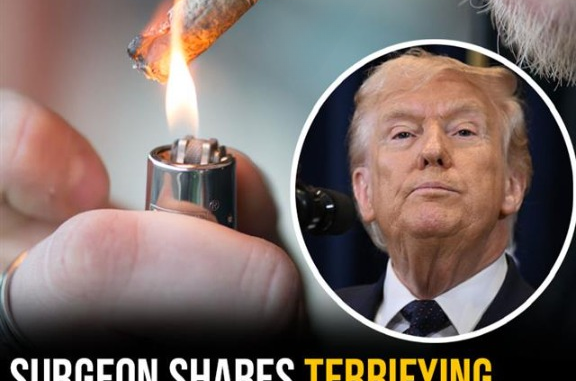
As discussions around cannabis laws continue to evolve, a more cautious perspective is emerging from clinical settings. Heart surgeon Jeremy London has shared observations from the operating room, describing cases where long-term marijuana users show signs of significant lung damage. In some instances, he notes, the lung tissue appears darkened and affected in a way similar to what is seen in people exposed to heavy environmental pollutants, even among patients who report never using tobacco.
Beyond lung health, he also points to serious cardiovascular issues in some patients, including severely narrowed or obstructed arteries that sometimes require emergency surgical intervention. While many factors influence heart disease—such as genetics, diet, and overall lifestyle—he suggests that regularly inhaling smoke of any kind, including cannabis, may contribute to these risks. His message challenges the assumption that “natural” substances are automatically safe when combusted.
At the same time, cannabis policy is shifting in many places, with proposals to reclassify it potentially paving the way for more extensive research and clearer medical understanding. Supporters of these changes argue that better data will help distinguish fact from assumption and improve public health guidance. However, some clinicians emphasize that policy progress should be accompanied by transparent communication about possible health effects.
Overall, the emphasis is shifting toward informed decision-making. Rather than focusing on fear or assumption, the key point is understanding how long-term habits affect the body. As science and regulations continue to develop, the central idea remains consistent: health outcomes are shaped by real physical exposure over time, regardless of public perception or debate.