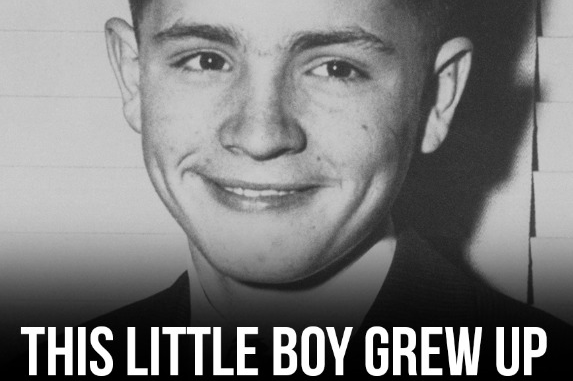
Charles Manson is remembered as one of the most notorious figures in modern history—not just because of the crimes linked to him, but because of the troubling path that led to them. His childhood was marked by instability, including neglect, repeated stays in correctional institutions, and the absence of steady guidance. These early experiences played a role in shaping how he viewed the world and interacted with others later in life.
As he matured, Manson became skilled at influencing and manipulating people. In the late 1960s—a time of widespread social change and countercultural exploration—he drew in followers who were often searching for meaning, identity, and connection. By presenting himself as a source of direction and purpose, he combined charisma, ideology, and control in ways that appealed to vulnerable individuals.
The crimes associated with Manson and his group deeply shocked the public and left a lasting impact on American society. Rather than being random acts, they emerged from a complicated mix of personal background, social context, and group dynamics. While understanding these factors does not justify the harm caused, it helps shed light on how such situations can develop.
His legacy continues to raise challenging questions about accountability, prevention, and the influences that shape human behavior. It highlights the importance of early intervention, awareness of manipulation, and the need to recognize warning signs before they lead to irreversible outcomes.