Work environments are intended to promote productivity, efficiency, and development. However, when safety protocols are inadequate or not properly followed, even routine settings can turn into high-risk areas. Across sectors such as construction, manufacturing, logistics, and warehousing, maintaining worker safety is a fundamental responsibility shared by employers and regulatory authorities.
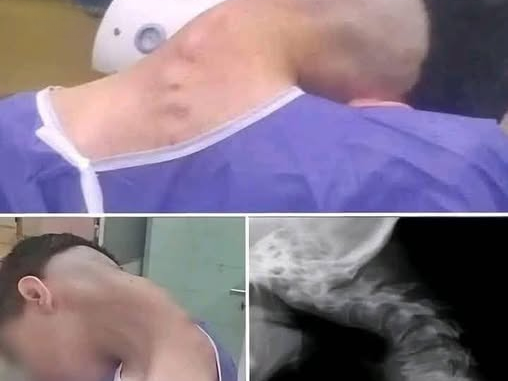
A case reported in the Journal of Orthopaedic Case Reports in September 2022 highlights how quickly a workplace incident can escalate into a life-threatening situation. The report described a rare and complex cervical spine injury sustained by a young worker in India, emphasizing both the importance of preventive safety practices and the difficulties healthcare professionals face when managing uncommon trauma cases.
This discussion examines the case from a professional perspective, focusing on workplace safety insights, medical challenges, and the broader implications for employers and healthcare providers.
The incident involved an 18-year-old worker who was struck by a heavy metallic object, such as a pipe or beam, that fell unexpectedly from above. The object hit the front of his head with considerable force, causing an immediate loss of consciousness. Emergency responders arrived promptly, stabilized the individual, and transported him to a medical facility for urgent treatment. Despite rapid intervention, the severity of the injury created significant challenges in managing his condition.
Although the exact cause of the falling object was not fully detailed, the event underscores a critical issue in industrial environments: hazards can appear suddenly, especially when materials, equipment, or structural components are not properly secured or maintained.
From a medical standpoint, the injury described was both severe and uncommon. It involved damage to the cervical spine, the section of the spine located in the neck, which is essential for supporting the head and protecting the spinal cord. Cervical spine injuries are typically categorized using established classification systems that guide diagnosis and treatment. In this case, however, the injury pattern did not fit within existing classifications, creating a challenge for the medical team.
Because of this atypical presentation, specialists relied on advanced imaging, careful clinical evaluation, and collaborative decision-making to determine the best course of action. Situations like this demonstrate the need for flexibility in medical practice, particularly when dealing with rare or previously undocumented injury patterns.
Emergency care focused on stabilizing the patient and preventing further complications. In cases involving head and neck trauma, immediate priorities include maintaining airway, breathing, and circulation while minimizing movement of the spine to avoid worsening the injury. Even with appropriate and timely care, some injuries are extremely severe and may limit recovery outcomes.
While the medical aspects are significant, the case also reinforces broader workplace safety considerations. Falling objects remain one of the most common and preventable hazards in industrial settings. Employers play a key role in reducing such risks by implementing safety measures such as secure storage of materials, routine equipment inspections, installation of protective barriers, and the consistent use of personal protective equipment like helmets. Clear training and communication among workers are equally essential.
Industrial environments often involve heavy machinery, elevated work areas, and complex operations, all of which introduce potential dangers. Contributing factors to workplace incidents can include poor equipment maintenance, improper material handling, insufficient training, lack of supervision, and failure to follow safety protocols. Addressing these risks requires continuous monitoring, regular assessments, and proactive safety management strategies.
Training and awareness are central to preventing accidents. Workers must be equipped to recognize hazards, use equipment correctly, respond to emergencies, and follow established procedures. Beyond formal instruction, fostering a workplace culture where employees feel comfortable reporting risks and suggesting improvements can significantly enhance overall safety.
This case offers several important lessons for organizations. Prevention should always be prioritized over reaction, as investing in safety measures can save lives and reduce long-term consequences. Routine inspections help identify potential issues before they escalate, while clearly defined safety procedures ensure consistency in response. Compliance with safety standards is not only a legal obligation but also an ethical responsibility.
From a medical perspective, unusual cases like this contribute valuable knowledge to the field. Case reports allow healthcare professionals to document rare conditions, share findings, and improve future diagnosis and treatment approaches. In this instance, the injury challenged existing classification systems for spinal trauma, potentially encouraging further research and refinement of medical frameworks.
Beyond technical details, it is important to acknowledge the human impact of such incidents. Workplace accidents affect not only the individual involved but also their families, colleagues, and wider communities. The emotional and social consequences can be profound, reinforcing the importance of prevention and preparedness.
Creating a strong culture of safety requires more than compliance. It involves leadership commitment, open communication, continuous education, and encouragement of safe practices. When safety becomes a shared value across an organization, it is more likely to be consistently maintained.
As industries evolve, advancements in technology—such as improved protective equipment and monitoring systems—offer new ways to reduce workplace risks. At the same time, preparedness through updated emergency response plans remains essential. Collaboration between employers, employees, and regulatory bodies can further strengthen safety standards and promote best practices.
In conclusion, this case highlights both the critical importance of workplace safety and the complexity of managing rare medical injuries. While the incident itself is unfortunate, it provides meaningful insights for improving prevention strategies and advancing medical understanding. Ultimately, it reinforces a simple but vital principle: safety must remain a priority at all levels. Through awareness, responsibility, and collective effort, workplaces can become safer environments that protect both productivity and human life.