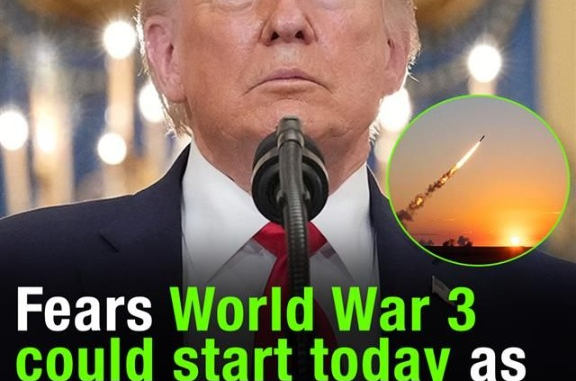
Recent statements by Donald Trump—including his remark that Iran could be “taken out in one night”—have heightened global concerns about escalating tensions. The force of his words, combined with existing geopolitical pressures, has led many to worry about the potential for broader conflict.
These comments come amid already strained relations between the United States, Israel, and Iran, with the strategic Strait of Hormuz playing a critical role. Any disruption there could have major effects on global energy markets and economic stability.
The phrase “taken out in one night” is open to interpretation. Some see it as a military signal designed to deter Iran or influence negotiations, while others interpret it as political messaging for certain audiences. Strategic ambiguity may also be a deliberate tactic to maintain leverage.
Public reactions, particularly online, have often jumped to extreme scenarios, including speculation about nuclear conflict—though there is no evidence supporting such outcomes. Much of the alarm reflects general anxiety during uncertain times rather than confirmed policy decisions.
Deadlines tied to the reopening of the Strait of Hormuz add to the tension. Such deadlines are typical in diplomacy to create urgency and signal seriousness, but when paired with forceful rhetoric, they can increase fears that negotiations may fail.
Concerns about large-scale conflict rise whenever strong language, economic stakes, and military activity converge. Even so, the likelihood of major escalation remains low, though the perception of risk can still influence markets and public sentiment.
It is important to distinguish between rhetorical escalation and actual military decision-making. Major actions involve careful planning, coordination across agencies, and international considerations—strong words alone do not indicate immediate operations.
Historically, diplomatic channels and international pressure often prevent conflicts from spiraling out of control. Recognizing the gap between rhetoric and reality is key to understanding developments during tense global moments.