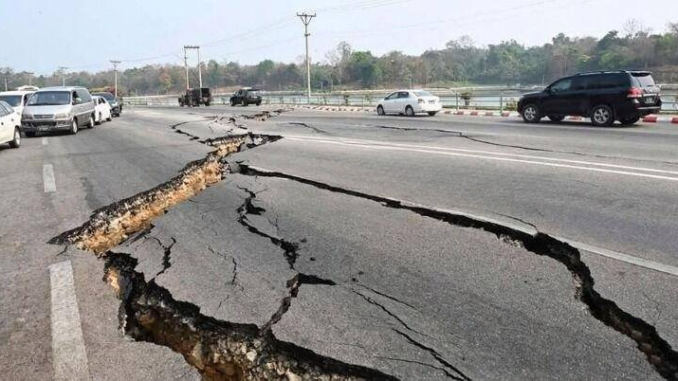
When a strong earthquake strikes without warning, the effects are immediate and deeply disruptive. A magnitude 7.7 earthquake affected parts of Myanmar, southern China, and northern Thailand in the early morning hours, catching many people asleep and unprepared. Because the quake occurred at a shallow depth, the shaking at the surface was especially severe, resulting in widespread structural damage across the region.
In the most heavily affected areas, including the city of Lashio, buildings collapsed and emergency services were quickly stretched beyond capacity. Authorities declared states of emergency as hospitals became overwhelmed with injured residents and rescue teams worked urgently to reach people trapped under rubble. In the immediate aftermath of such disasters, the first hours are crucial, with responders racing against time to save lives and prevent further loss.
The impact was felt beyond national borders. In northern Thailand, cities such as Chiang Rai and Chiang Mai experienced strong tremors, prompting residents to rush outdoors as buildings swayed. In southern Yunnan Province, shaking was also significant, adding to regional concern. Aftershocks continued to occur, increasing anxiety and complicating ongoing rescue operations.
For those affected, the experience was sudden and terrifying—homes shaking violently, walls cracking, and families fleeing with only moments to react. In the aftermath, attention turns to survival, relief, and rebuilding efforts. While the physical destruction is visible, the emotional impact is equally profound. Events like this highlight both the immense force of nature and the resilience of communities working together to recover and move forward.