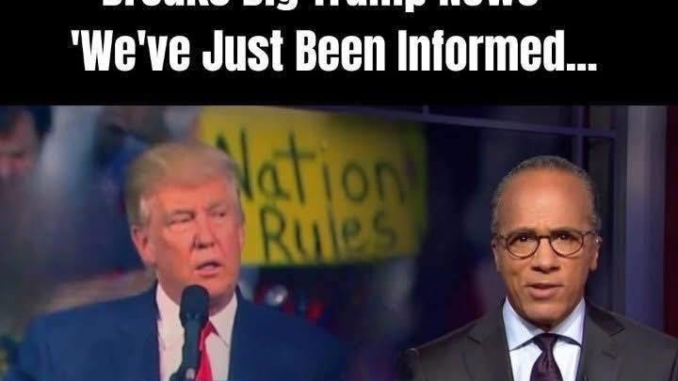
Donald Trump’s decision to place Washington, D.C. under federal control after declaring a “crime emergency” has sparked nationwide debate, while also renewing concerns about safety in the capital. Although official figures indicate violent crime dropped by 26% compared to 2024, many residents and journalists — including Kyra Phillips, who was recently attacked near her workplace — say the city still feels less secure.
The move shifted authority over local policing to federal leadership, enabling closer coordination between the Metropolitan Police Department, the National Guard, and the Department of Homeland Security. Officials say the objective is to restore public confidence and respond to what they describe as a rise in bold street crimes.
Initial data shows a mixed picture. During the week starting August 12, violent crime reportedly declined by 17%, while property crime fell 19%. Incidents like robberies and vehicle break-ins dropped by over 40%, suggesting that increased federal involvement may be having an immediate effect.
However, other trends raise concerns. Assaults involving weapons increased by 14%, burglaries rose 6%, and two homicides were recorded during the same period — reinforcing critics’ claims that enforcement alone cannot address underlying social challenges.
Federal agencies have also ramped up immigration enforcement. Immigration and Customs Enforcement reported around 300 arrests of undocumented individuals since August 7, a sharp rise from the typical weekly average. Authorities argue this reflects a broader effort to remove individuals involved in criminal activity, while community organizations view the surge as excessive.
Supporters of the policy see it as a firm response to ongoing crime, arguing that a stronger federal presence helps restore order and improve safety. Critics, on the other hand, warn that it could undermine local governance and create fear within vulnerable communities. Civil rights groups have already called for greater oversight of enforcement actions.
As the situation evolves, Washington, D.C. residents remain divided, weighing official statistics against their everyday experiences.