The global political situation has become more unstable, influenced by a more assertive and unpredictable U.S. foreign policy. What were once distant international issues are now developing into real tensions and active crises in several regions, increasing uncertainty about future global stability.
A key point of tension is the escalating conflict between the United States and Iran, where military actions and responses have further destabilized the Middle East. At the same time, rising friction in areas such as the Arctic and Venezuela highlights a broader pattern of global competition and fragmented power dynamics.
With growing uncertainty, public concern is becoming more visible. Searches for topics like “World War III” and information about military draft rules have increased, reflecting anxiety about large-scale conflict and compulsory military service.
The United States does not currently have an active draft, but the Selective Service System remains in place as a backup structure. It allows the government to quickly reinstate conscription in the event of a national emergency. Registration has long been required for men aged 18 to 25.
A change is planned for 2026, when registration will become automatic instead of requiring individuals to sign up manually. This adjustment is intended to improve efficiency and compliance, though it does not mean a draft is being introduced.
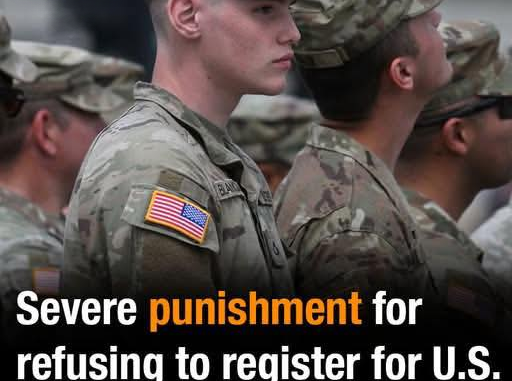
Under existing rules, failing to register can result in penalties such as fines, imprisonment, and loss of access to federal benefits. However, with automatic registration set to begin, these penalties are expected to become largely unnecessary.
Despite concerns about global conflict, experts stress that any return to a military draft would require formal approval through government action. For now, the U.S. military remains fully volunteer-based, and the upcoming changes are administrative rather than a sign of imminent conscription.