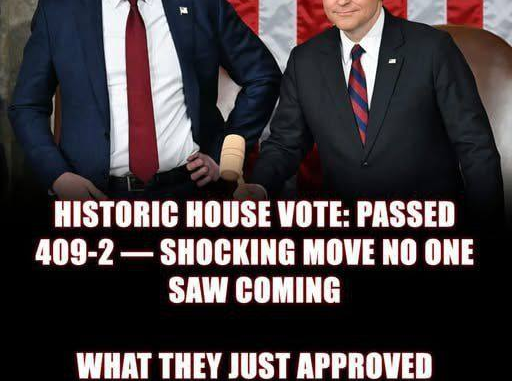
The U.S. House of Representatives has overwhelmingly passed the “Take It Down” Act with a 409–2 vote, targeting the growing issue of nonconsensual deepfake pornography. The legislation focuses on addressing the rise of AI-generated explicit content created and shared without a person’s permission.
The bill would make it illegal to produce or distribute explicit deepfake images or videos without consent. It also requires online platforms to remove reported content within 72 hours, giving victims a quicker way to have harmful material taken down.
Under the proposal, individuals would gain the ability to take legal action against those who create or distribute such content, as well as platforms that fail to comply with removal requests. Lawmakers argue this step is necessary to keep up with the rapid advancement of artificial intelligence technologies.
The measure has received strong bipartisan support along with backing from Donald Trump. Supporters emphasize that groups such as women, children, and public figures are especially vulnerable to this form of exploitation.
One of the bill’s sponsors, Sheila Jackson Lee, described it as a clear effort to set boundaries against digital abuse. Victims of deepfake pornography often experience serious emotional and reputational harm as manipulated images spread online.
Only two lawmakers opposed the bill, citing concerns about free speech and potential government overreach. However, supporters maintain that the legislation strikes a balance between protecting individual privacy and holding platforms accountable.
The bill now moves to the Senate, where it is expected to gain further support. If passed into law, it could significantly change how the United States addresses online exploitation and misuse of AI, marking a major step forward in digital protection.