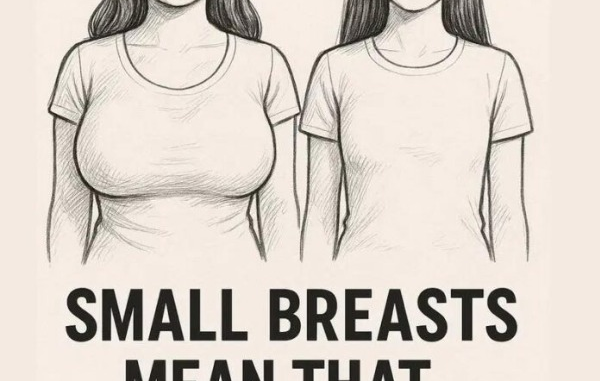
It’s common to wonder if breast size reflects something important about hormones—especially as the body changes with age. In reality, size on its own reveals very little about overall health. The look and fullness of breasts are shaped by a combination of genetics, body composition, and different stages of life. Hormones do play a role, but they’re just one piece of a much larger puzzle.
Throughout adulthood—and particularly after menopause—levels of estrogen and progesterone naturally decline. This shift often causes breast tissue to become less dense and more fatty, which can alter how breasts appear and feel. These changes are a normal part of aging and aren’t, by themselves, a sign of a health issue. Women with very different breast sizes can still have similar hormone balance and overall health.
What truly matters is how your body functions as a whole. Indicators of hormonal health include things like steady energy, good sleep, strong bones, emotional balance, and a healthy metabolism. Rather than focusing on size, it’s more important to notice changes such as new lumps, ongoing pain, skin differences, or unusual discharge—these are signals that should be checked by a healthcare professional.
For lasting well-being, everyday habits have the greatest impact: staying active, eating nutritious foods, maintaining a healthy weight, reducing stress, and keeping up with regular medical visits. Routine breast screenings and open communication with your doctor are essential parts of this care. Ultimately, confidence comes not from appearance, but from understanding your body and supporting its health at every stage of life.