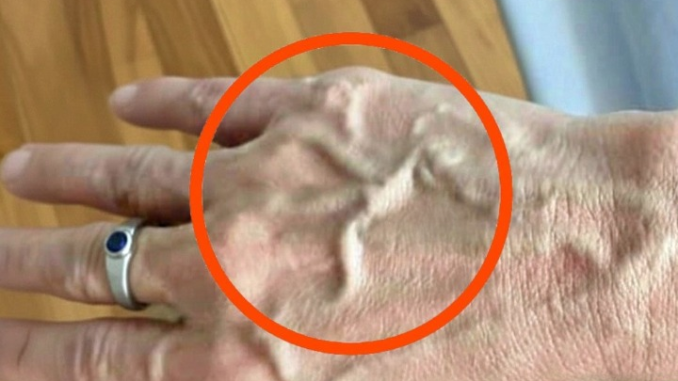
Noticing your veins more prominently can feel unexpected, but it’s often completely normal. Veins tend to stand out more when body fat is lower, after physical activity when circulation increases, or in warm temperatures when blood vessels expand. Aging and hormonal shifts can also make the skin thinner, allowing veins to show more clearly without signaling any health problem.
Daily habits can influence this as well. Losing weight, engaging in strength training, or even mild dehydration can make veins appear more noticeable. For many people—especially those who are physically active—visible veins simply reflect efficient blood flow and the body’s natural response to activity.
However, the situation matters. If veins suddenly appear swollen, twisted, or rope-like—particularly in the legs—it may be a sign of varicose veins. Other symptoms to watch for include discomfort, redness, warmth, swelling, or skin changes like discoloration or sores. In rare cases, these signs could indicate something more serious, such as a blood clot, which needs immediate medical attention.
The most important thing is to stay aware of changes. Gradual and understandable differences are usually harmless, but sudden or painful changes deserve attention. If you’re unsure, consulting a healthcare professional can help confirm that everything is as it should be.