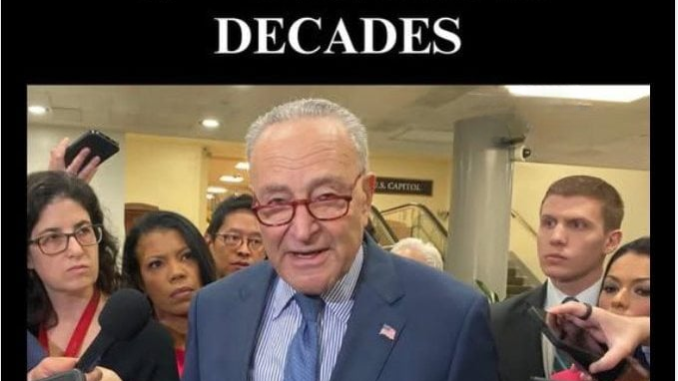
A recent U.S. Senate vote has drawn renewed focus to the ongoing debate over American military aid abroad, after lawmakers rejected a resolution introduced by Bernie Sanders that sought to block specific arms sales to Israel. The proposal was not limited to one deal, but instead raised wider questions about how existing laws like the Foreign Assistance Act and the Arms Export Control Act are interpreted in complicated international contexts.
Those in favor of the measure said it was important to reassess whether continued weapons support aligns with humanitarian concerns, especially amid reports regarding conditions affecting civilians in Gaza. Those against it argued that maintaining strong defense partnerships remains essential, stressing that allies depend on U.S. assistance for security and stability. The result reflected a recurring split in Congress, where moral considerations and strategic interests often collide.
Meanwhile, the Senate also advanced other business, including military appointments and several nominations associated with Donald Trump, moving them forward with relatively little resistance. This contrast highlighted how some issues progress quickly when agreement exists, while others spark prolonged and divisive debate.
Overall, the vote illustrates the complexity of shaping foreign policy, where legal obligations, ethical concerns, and global strategy all intersect. Although the resolution failed, the discussion around it continues to reflect broader disagreements over how the United States should balance its international commitments with changing global realities.