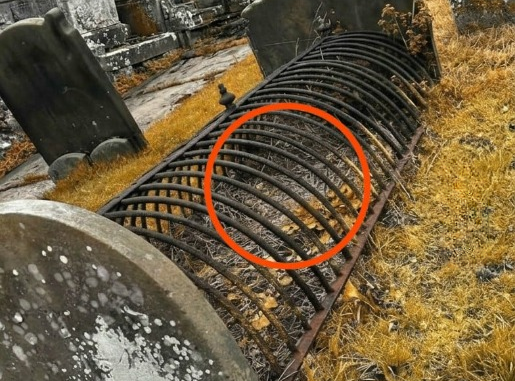
In certain historic cemeteries, visitors may come across graves enclosed in heavy iron frameworks known as mortsafes. While they may look unusual or even eerie today, they were created for a very practical reason. In the 18th and 19th centuries, particularly in parts of Europe, medical schools required cadavers for study, and grave robbing became a widespread concern. To protect the deceased, grieving families turned to physical barriers to prevent bodies from being disturbed.
Mortsafes were built from strong iron bars and designed to be highly secure. They were placed over newly buried graves for a short period—typically until decomposition had progressed enough that the body was no longer of interest for medical purposes. Rather than permanent memorials, they served as temporary protection during a vulnerable time.
Over time, these structures became unnecessary as laws changed and regulated systems for donating bodies to science were established. With clearer ethical and legal frameworks in place, the practice of grave protection through iron cages faded away. Today, the remaining mortsafes are preserved as historical artifacts rather than functional devices.
Seeing one today offers a glimpse into how earlier societies balanced fear, respect for the dead, and the demands of medical progress. These iron enclosures stand as quiet reminders of a period when safeguarding graves required physical defense, reflecting both the anxieties and adaptations of the time.