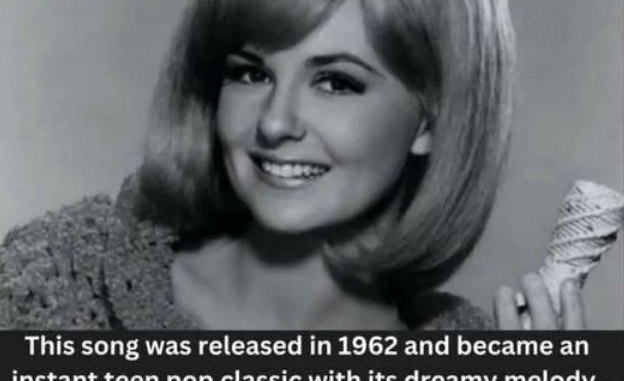
In the early 1960s, American pop culture was shifting toward a softer, more emotional sound that captured the innocence and longing of youth. At the center of this moment was Shelley Fabares, a young star from Santa Monica who unexpectedly became the voice behind one of the era’s most memorable love songs. Already beloved for her role on The Donna Reed Show, she seemed the perfect fit for a song that reflected the quiet intensity of teenage emotions. Her hit Johnny Angel would go on to define that feeling for an entire generation.
Fabares didn’t originally set out to become a singer. Like many performers of that time, she stepped into music as part of a broader entertainment career. When “Johnny Angel” was released in 1962, its success was immediate and overwhelming, quickly climbing to the top of the charts and resonating far beyond the United States. Its appeal came from its simplicity—a heartfelt story of unspoken love that many young listeners deeply related to.
The song’s polished, dreamy quality was enhanced by background vocals from Darlene Love and her group The Blossoms, whose harmonies helped create its signature sound. Together, they crafted a track that captured the universal experience of longing for someone just out of reach—a feeling especially powerful in an era before instant communication.
Despite the massive success of her debut single, Fabares’ time in music was brief. Her follow-up songs didn’t match the impact of “Johnny Angel,” and as musical trends began to change—with the rise of more energetic, rebellious styles—she chose to step away from singing. Rather than chasing continued chart success, she returned to acting, the field where she felt most at home.
Her decision proved to be the right one. Fabares went on to build a strong and lasting career in film and television, even starring alongside Elvis Presley in several films. Over time, she established herself as a versatile and enduring performer, far beyond the label of a one-hit wonder.
Even so, “Johnny Angel” remains her most iconic contribution. The song continues to evoke nostalgia, representing a simpler time when love felt pure, private, and all-consuming. Its lasting popularity shows that, despite changes in music and culture, the emotions it captures are still deeply familiar.
By stepping away from music at the height of her success, Fabares preserved the magic of that moment. Her brief but impactful musical career left behind a single, timeless piece that continues to resonate. Today, “Johnny Angel” stands not just as a hit song, but as a lasting symbol of youthful innocence and the universal experience of first love.