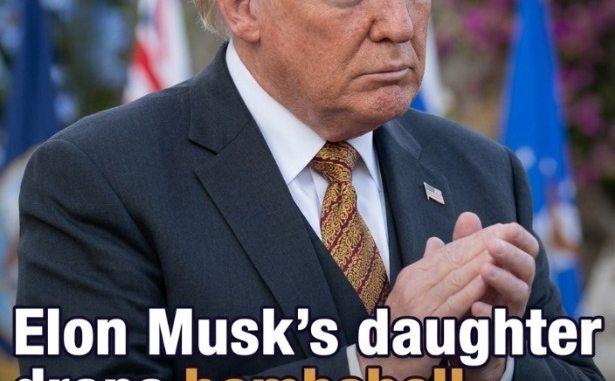
Donald Trump’s reported decision to support military involvement related to Iran has triggered renewed debate about whether it aligns with his earlier campaign stance of avoiding new foreign conflicts. Critics argue that shifting geopolitical pressures may be influencing a departure from that original position.
During his campaign, Trump frequently contrasted his approach with figures like Kamala Harris, emphasizing restraint in international engagements. The perceived change has fueled ongoing discussion about the gap that can emerge between campaign messaging and real-world governing choices.
The role of Israel adds further complexity, given its long-standing security concerns regarding Iran. Supporters of a stronger military posture point to fears surrounding Iran’s nuclear ambitions as a reason for maintaining readiness and potential intervention.
At the same time, skeptics note that public evidence regarding Iran’s nuclear progress is often limited, creating tension between classified intelligence assessments and calls for greater transparency and accountability.
Domestically, attention has also intensified around developments tied to Jeffrey Epstein and related document releases. Mentions of prominent individuals, including Trump, have drawn public interest, though such references do not in themselves establish wrongdoing.
Some observers suggest that the timing of international developments may influence how public attention is distributed, especially when sensitive domestic issues are in focus.
Adding another layer, Vivian Wilson—the estranged daughter of Elon Musk—has contributed to online discussions by suggesting that renewed attention on UFO-related disclosures could divert focus from Epstein-related topics. Her comments reflect broader speculation circulating online rather than confirmed information.
Meanwhile, the anticipated release of files related to unidentified aerial phenomena has attracted widespread interest. Some view it as a step toward transparency, while others question the timing and possible political motivations behind such disclosures.
Taken together, these intersecting issues—foreign policy decisions, domestic controversies, public commentary, and declassification efforts—create a layered and complex narrative. Differing interpretations continue to shape how these developments are understood in the broader political landscape.