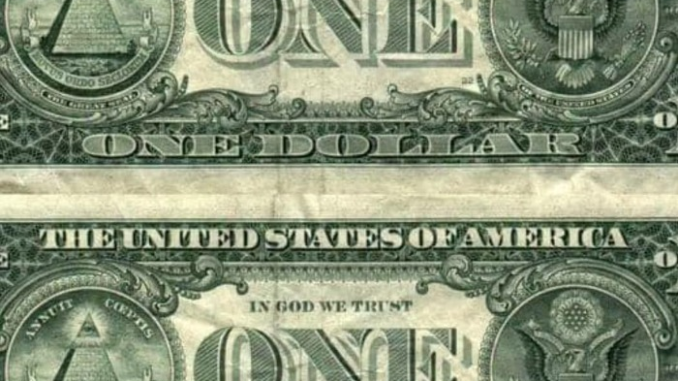
Most people rarely pay attention to the serial numbers on their cash, but for collectors, those tiny details can mean everything. Certain number patterns—like repeated digits, palindrome-style “radar” sequences, or perfectly symmetrical combinations—are especially desirable. What seems like an ordinary $1 bill could actually stand out to someone who knows what to look for.
You don’t need to be an expert to spot these details. Simply check the serial number and look for anything unusual. Strings like 7777777, 1234321, or repeating pairs can signal something rare. Patterns known as “double quads” or “super repeaters” are also considered valuable. The idea is simple: some number sequences are far less common than others.
Collectors actively seek out these unique bills on marketplaces and specialty sites, where distinctive serial numbers can sell for much more than their face value. Condition matters too—bills that are clean and well-preserved tend to attract more interest. While not every interesting number will be worth a fortune, the right mix of rarity and condition can make a big difference.
So the next time you go through your wallet or come across loose cash, take a second look. It’s a quick habit that might lead to a surprising find. Even something as small as a $1 bill can carry unexpected value if it has the right features.