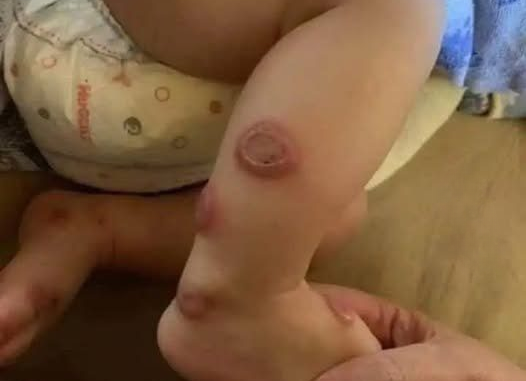
The human body often sends warning signals when something is seriously wrong, but these signs are frequently misunderstood or ignored. One of the most easily overlooked indicators is a sudden change in the skin. Red patches, itching, or raised bumps are often dismissed as minor irritations caused by harmless allergies or everyday exposures. However, medical experts warn that in some cases—especially when these skin changes appear alongside breathing difficulties—this could signal a life-threatening emergency.
The danger lies in how subtle the beginning can be. Many skin reactions seem harmless at first, leading people to assume they will fade on their own. But when skin symptoms occur together with respiratory issues, the situation may point to a severe allergic reaction known as anaphylaxis. In these cases, the immune system releases chemicals that can quickly affect multiple organs, turning a simple-looking rash into a sign of a serious internal crisis.
The most common skin sign in these reactions is hives—raised, red, and often itchy welts that can spread rapidly across the body. While hives alone may not always be dangerous, their presence becomes critical when combined with swelling or breathing problems. The same inflammatory response affecting the skin can also cause swelling in the throat and airways, making it difficult to breathe.
Doctors emphasize that warning signs such as wheezing, tightness in the chest or throat, dizziness, or swelling of the lips, tongue, or face should never be ignored. These symptoms indicate that the body may be entering a dangerous state of shock, where oxygen flow and blood pressure can drop rapidly.
Triggers for such reactions can vary widely. Common causes include food allergies, medications, insect stings, or exposure to substances like latex. In some cases, a person may react severely to something they have previously tolerated without any issues, making the condition even more unpredictable.
A major risk factor is delay. People often underestimate their symptoms, assuming they are mild or temporary, which can be extremely dangerous when breathing is affected. Once the airway begins to close, the situation can worsen quickly, leaving very little time to act.
Medical guidance is clear: if hives appear alongside any breathing difficulty, emergency help should be sought immediately. If available, an epinephrine injector should be used right away, as it can rapidly reverse the most dangerous effects of anaphylaxis. Until help arrives, keeping the person stable and calm is essential.
Not every rash is an emergency, and many skin conditions are harmless or chronic. However, the key distinction is the combination of skin symptoms with respiratory distress. That pairing should always be treated as urgent.
Ultimately, awareness is crucial. Recognizing the connection between skin changes and internal allergic reactions can save lives. Acting quickly, rather than waiting for symptoms to pass, is the most important step in preventing a potentially fatal outcome.